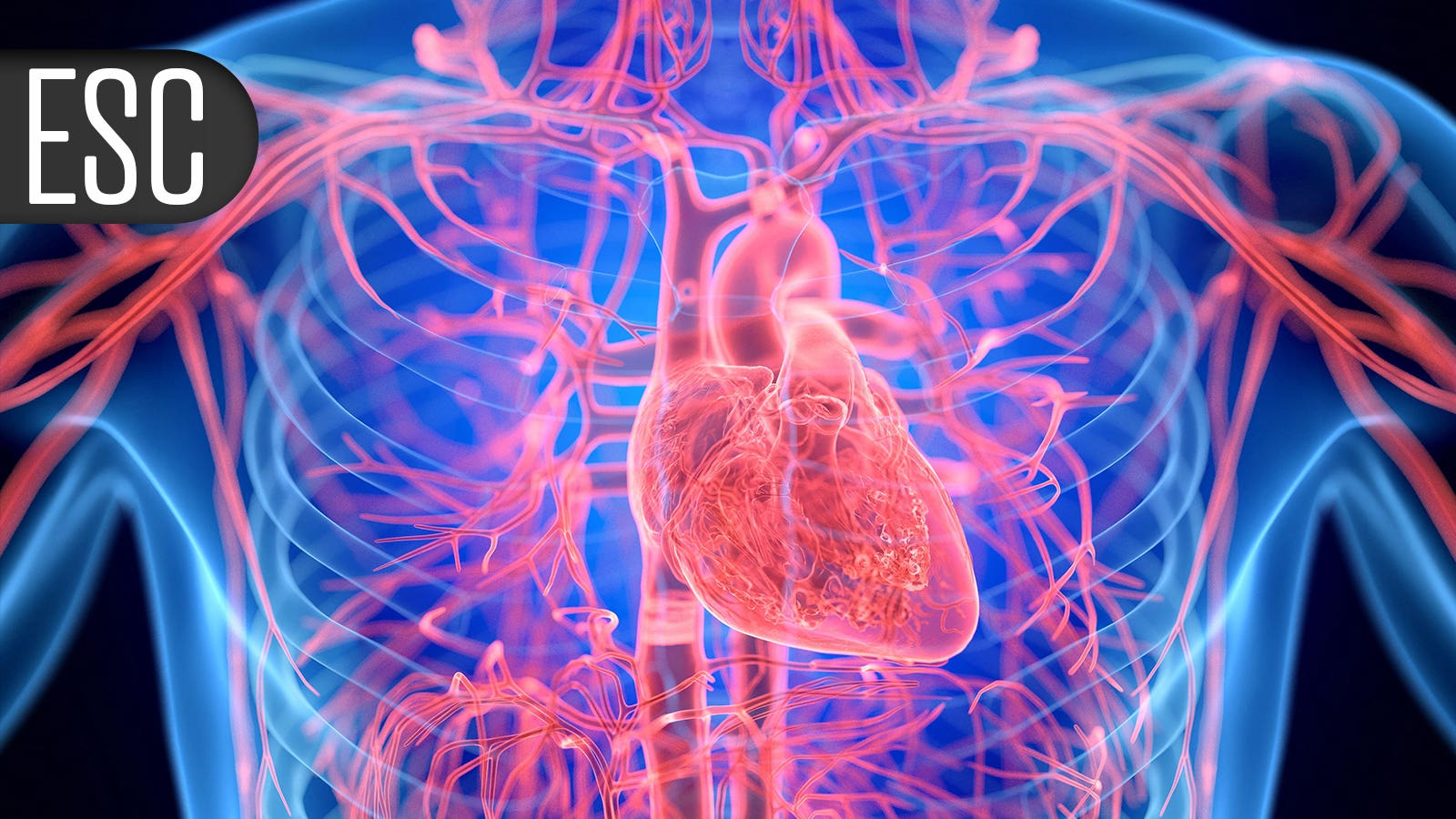
Introducción al ESC
The European Society of Cardiology (ESC) is hosting its annual meeting this week, presenting the latest findings in cardiovascular medicine. Among the key topics are the anticipated results from a major statin trial and several studies aimed at improving heart attack triage and management.
The ESC event runs from August 28 to August 31 in Munich, Germany, and includes both in-person and livestreamed sessions.
Estudio STAREE y Estatinas
One of the highlights of the conference is the STAREE trial, which is the first large-scale randomized study examining whether primary prevention with statins can improve survival and cardiovascular outcomes in individuals aged 70 and older.
Featuring nearly 10,000 participants, the STAREE trial aims to clarify the role of statins in routine practice for relatively healthy older adults without a history of atherosclerotic cardiovascular disease. Even though statins are considered essential for cardiovascular prevention, they are often associated with side effects like muscle pain and fatigue, leading to ongoing debates regarding their use.
Dr. Tomasz Guzik from the University of Edinburgh emphasized the significance of this trial, stating it tackles a common clinical dilemma: whether to prescribe statins to healthy individuals over 70 to reduce cardiovascular events and dementia risk.
Avances en Infarto Agudo de Miocardio
The conference also showcases significant contributions to acute myocardial infarction research. A key report will assess the prospects of milvexian, a next-generation factor XIa inhibitor, in treating acute coronary syndrome.
Milvexian has been anticipated to offer improved safety compared to current oral anticoagulants but has recently faced challenges in reducing major adverse cardiovascular events in heart attack survivors, which led to the early cessation of the LIBREXIA ACS trial.
Other noteworthy studies include AMUNDSEN, a trial examining the PCSK9 inhibitor evolocumab before percutaneous coronary intervention, and the PRESC1SE-MI trial exploring the effectiveness of the ESC’s rapid troponin algorithm in diagnosing myocardial infarction in emergency settings.
Nuevos Estudios en Fibrilación Auricular y HCM
The ESC meeting will also present various trials related to atrial fibrillation. Notably, the SINGLE-AF trial will address direct oral anticoagulant therapy for individuals with atrial fibrillation and intermediate stroke risk.
Additionally, results from the PVI-SHAM-AF trial and the NEXAF trial, which investigates a 12-month exercise program for patients with paroxysmal or persistent atrial fibrillation, will be highlighted.
In the realm of hypertrophic cardiomyopathy, the ACACIA-HCM trial brings promising news. Aficamten (Myqorzo) has reportedly met its primary endpoints as an effective treatment for underlying cardiac muscle issues, following previous disappointments with another cardiac myosin inhibitor.
Directrices y Definiciones Universales
Besides trial presentations, the ESC conference will also introduce the Fifth Universal Definition of myocardial infarction and three new guidelines for heart failure management, cardiac rehabilitation, and the co-management of cardiovascular and chronic kidney disease.
Disclaimer: Este contenido es sólo para fines informativos y no sustituye el consejo médico profesional. Siempre consulte a un médico o a otro proveedor de salud calificado con cualquier pregunta que pueda tener sobre una condición médica.
Fuente: https://www.medpagetoday.com/meetingcoverage/esc/122773
- Actividades exclusivas para profesionales de la salud (advisory boards, cobertura de congresos, webinars)
- Guardá los artículos que te sirven para ver más tarde
- Recibí cada semana lo más relevante de tu especialidad