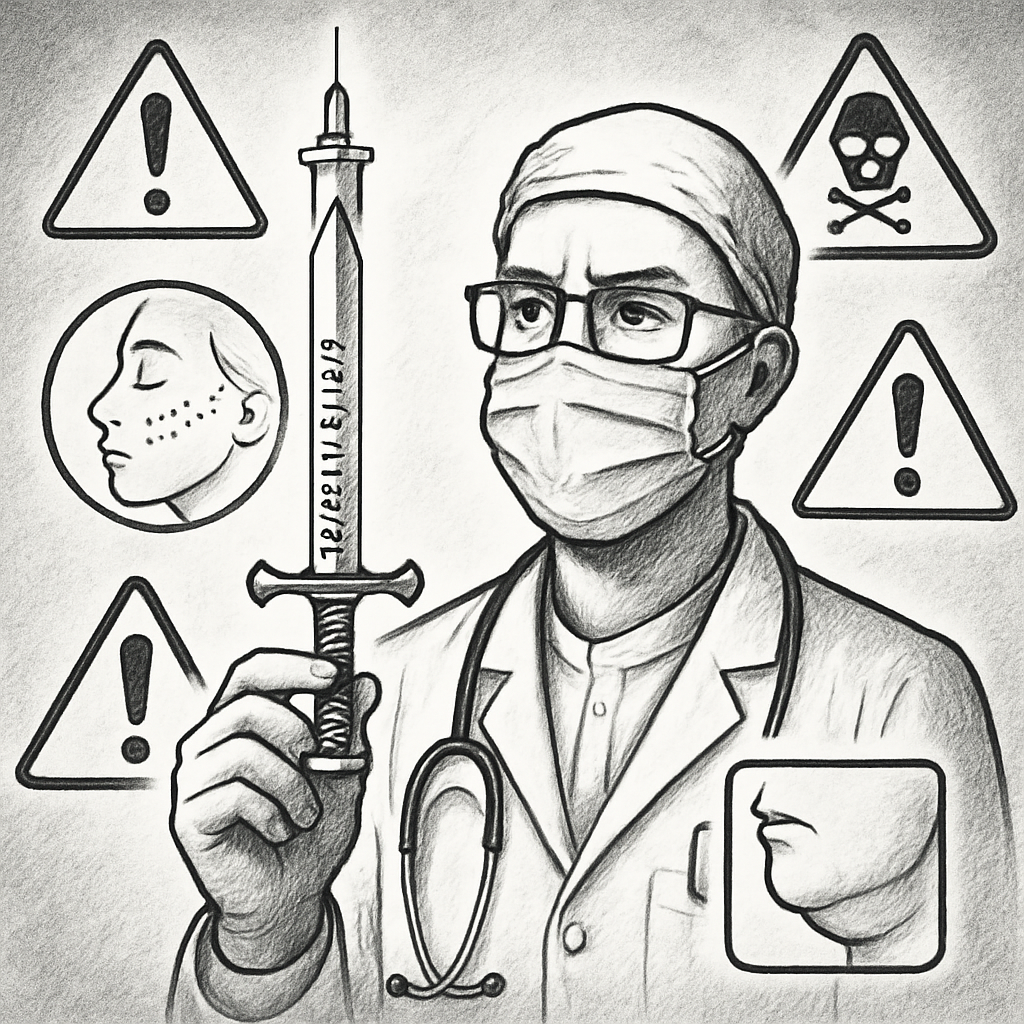

More than 25 individuals across four states have reported illness after receiving glutathione injections, with at least three requiring hospitalization, according to the CDC.
Cause of Illness
All three hospitalized patients received intravenous glutathione, and one required intensive care treatment for shock and abnormal blood clotting. The primary concern is that the injections were sourced from compounding pharmacies that utilized glutathione intended solely for dietary supplements.
The CDC has stressed that dietary supplement-grade glutathione “should not be used in sterile injectable drugs due to the risk of introducing contaminants such as endotoxins.”
Common Uses and Outbreak Details
This compound is typically available as an oral dietary supplement, promoted for various purposes, including skin brightening, immune support, detoxification, and increased energy. The outbreak has been ongoing since July, prompted by reports from the Texas health department about patients who became ill following intravenous glutathione treatments at outpatient wellness clinics. This led to further reports of similar illnesses in Washington, Florida, and New York.
Recalled Products and Safety Alerts
At least three pharmacies in Texas have initiated recalls for compounded injectable glutathione due to elevated endotoxin levels. The FDA has also issued a safety alert reminding compounders against using dietary supplement-grade glutathione for injectable products, as there are currently no FDA-approved glutathione products on the market.
The first recall notification from the FDA occurred on August 5, when Victory Medical Center Pharmacy in Austin, Texas, withdrew certain lots of compounded glutathione due to high bacterial endotoxin levels.
Subsequent recalls included Optimal Balance Pharmacy in Houston and Centric Compounding, which recalled multiple lots for similar reasons, with products distributed nationwide.
Historical Context and Safety Considerations
The CDC has noted that infections related to contaminated glutathione injections have been documented previously, such as a 2015 outbreak in Australia and concerning incidents leading to a 2019 FDA safety alert.
Common symptoms of endotoxin infection encompass fever, chills, muscle pain, headache, nausea, vomiting, and low blood pressure.
Dr. Alex Sundermann of the University of Pittsburgh has indicated that the number of cases may continue to rise, emphasizing the importance of only receiving FDA-approved injectable substances.
Disclaimer: This information is for educational purposes only and is not intended as medical advice. Please consult a healthcare professional for any health-related issues.
Fuente: https://www.medpagetoday.com/publichealthpolicy/publichealth/123028
Join the doctors who get the most relevant medical news, curated by specialty, every week — no spam, unsubscribe anytime.