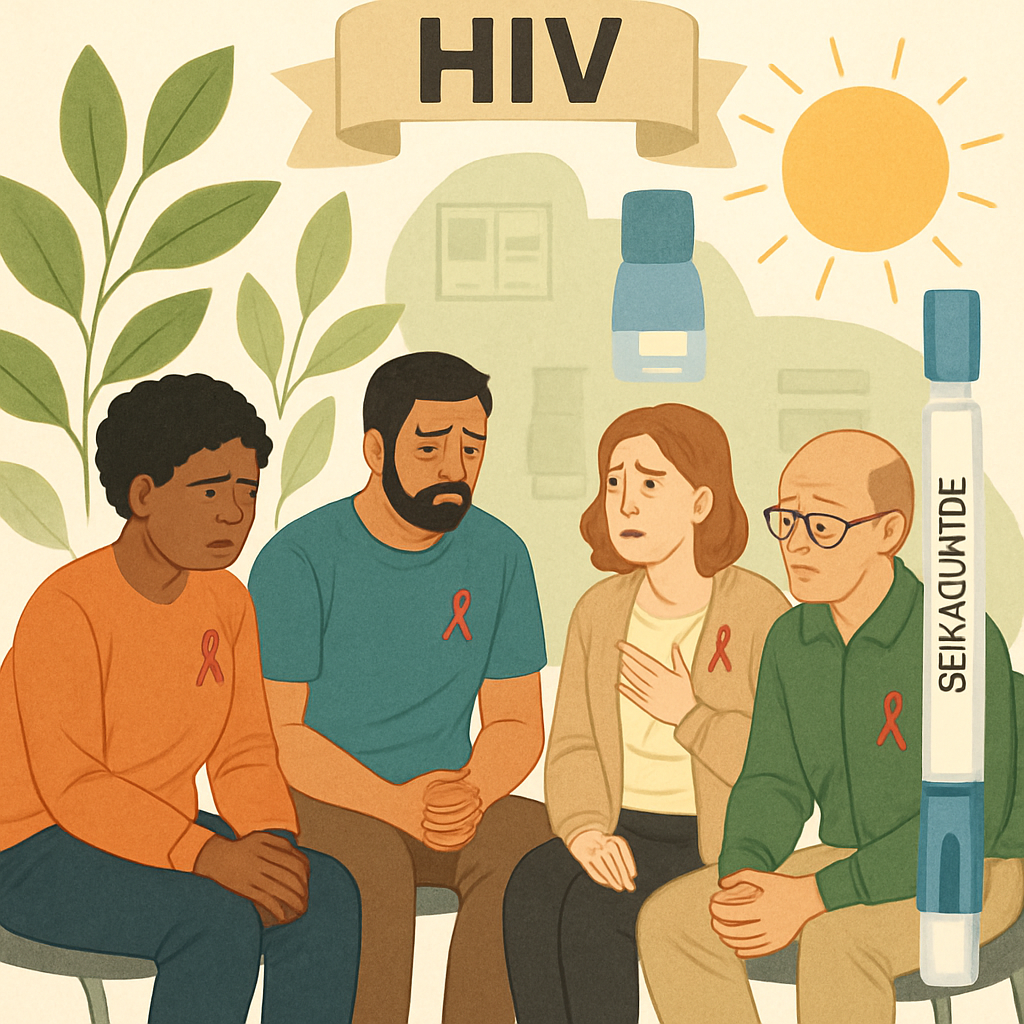
DENVER — A recent observational study involving nine sites found no significant increase in depressive symptoms among individuals with HIV who began treatment with semaglutide (Ozempic, Wegovy, Rybelsus) for diabetes or weight loss.
Over a median follow-up of 9.4 months, the mean change in depressive symptom scores on the Patient Health Questionnaire-9 (PHQ-9) was -0.1 (95% CI -0.7 to 0.5) after participants initiated semaglutide, according to Lara Haidar, PharmD, from the University of Manitoba, Winnipeg.
Interestingly, scores on the PHQ-9 increased by 1.2 for those presenting with no or minimal depressive symptoms prior to treatment, while they notably declined by 4.7 points among participants with moderately severe to severe depressive symptoms.
Findings on Semaglutide and Depression
Haidar stated, “Semaglutide is not associated with worsening depressive symptoms overall among people with HIV in routine clinical care.” She noted that although some small increases in PHQ-9 scores were observed among those with minimal baseline symptoms, these changes were likely not clinically meaningful. Importantly, there was no adverse signal noted among individuals with moderate to high baseline depressive symptoms.
Individuals living with HIV are already at an elevated risk of developing depression, anxiety, and cognitive disorders. Concerns regarding neuropsychiatric effects associated with GLP-1 drugs intensified after the FDA’s Adverse Event Reporting System received several reports of suicidal thoughts among users in 2023. However, no such safety signal was documented in clinical trials or observational studies, prompting the FDA to request the removal of warnings about these risks from drug labels following a comprehensive review of the evidence.
Previous Studies on Depression Risks
A study involving older adults with diabetes indicated that GLP-1 receptor agonists were linked to a slightly lower risk of depression compared to DPP-4 inhibitors. However, the risk of depression was comparable between GLP-1 and SGLT2 inhibitors.
Despite the absence of a depression signal associated with semaglutide use found in the current study—especially among those with significant pre-existing depressive symptoms—Haidar emphasized the importance of ongoing monitoring for depression within this demographic.
Study Characteristics
The analysis included 354 adults with HIV from nine U.S. sites within the Centers for AIDS Research Network of Integrated Clinical Systems. All participants underwent baseline PHQ-9 assessments prior to initiating semaglutide treatment for diabetes and/or obesity from 2018 to 2024, along with at least one subsequent assessment after beginning treatment. Follow-up for these individuals continued until either the discontinuation of semaglutide use or reaching October 2024.
The mean age of the participants was 54 years, with a demographic breakdown of 77% male, 38% white, 32% Black, and 26% Hispanic. A substantial 78% had a body mass index (BMI) of 30 or higher, while 60% had been diagnosed with diabetes. Most patients maintained well-controlled HIV, with 97% having a viral load below 200 copies/mL.
At baseline, over half (53%) of the individuals had PHQ-9 scores indicating no or minimal depressive symptoms (scores of 0-4), 28% had mild symptoms (scores of 5-9), and 19% had moderate to severe symptoms (scores of 10 or higher).
Changes in PHQ-9 scores following semaglutide use were minimal between different demographic groups, including gender and diabetes status.
Study Limitations
Limitations of the study include the small sizes of certain subgroups and the relatively short follow-up period.
Disclaimer: This information is for educational purposes only and is not intended as medical advice. Always consult a healthcare professional for medical concerns.
Fuente: https://www.medpagetoday.com/meetingcoverage/croi/120026
Join the doctors who get the most relevant medical news, curated by specialty, every week — no spam, unsubscribe anytime.