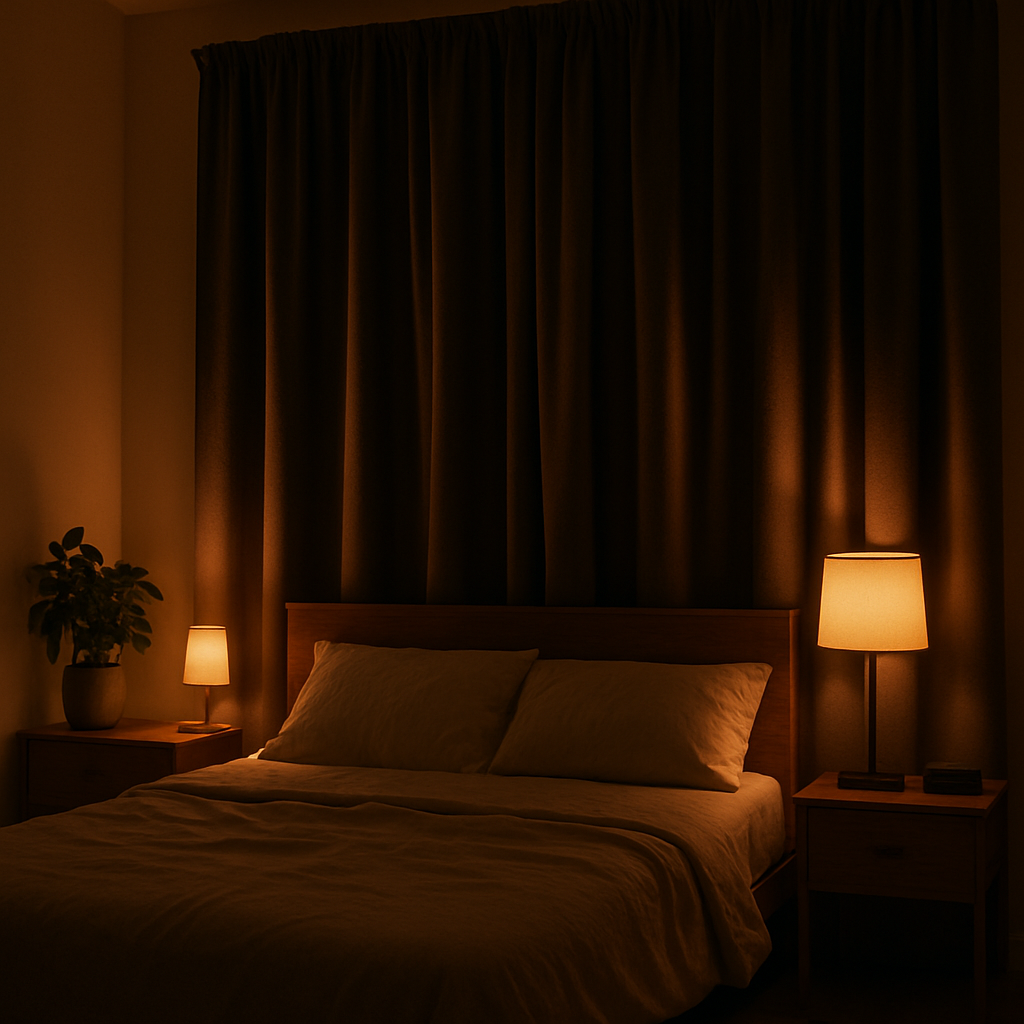
Clinical takeaway: Consider discussing nighttime light exposure and sleep environment with patients who have or are at risk for heart failure or atrial fibrillation. Although causality is not yet established, implementing blackout curtains, opting for dim warm-colored lighting, reducing screen time, and covering indicator lights are low-risk strategies that may enhance sleep and support cardiovascular health.
Recent studies have indicated a potential link between artificial light at night and cardiovascular diseases, but the exact effects on heart function remain unclear. A study from the UK Biobank has now established a connection between increased exposure to nighttime light and subtle structural and functional modifications in various heart chambers.
The research involved 11,071 adults without pre-existing cardiovascular disease. Participants wore wrist-mounted light sensors for a week and subsequent cardiac MRI scans were performed approximately three years later. Those with significant nighttime light exposure exhibited a 2.4% increase in left ventricular mass relative to body size, a 1.5% increase in mean wall thickness, and a 1.9% decrease in the myocardial contraction fraction, as compared to individuals with minimal nighttime light exposure. Additionally, myocardial strain measures were approximately 3% worse in those with high exposure levels.
Similar structural and functional alterations were also evident in the right ventricle and left atrium, with cardiac health appearing progressively compromised as nighttime light exposure increased.
Further analysis of over 70,000 participants tracked for 8 to 10 years revealed that high nighttime light exposure correlated with elevated risks of heart failure (29%), atrial fibrillation (15%), myocardial infarction (24%), stroke (33%), and cardiovascular mortality (26%).
Interestingly, shorter sleep durations accounted for 24% to 49% of the associations, implying that sleep disruption might be a key pathway, though not the sole one. By linking nighttime light exposure to early cardiac changes and subsequent cardiovascular incidents, this study offers a compelling reason for healthcare providers to include sleep environment considerations in cardiovascular risk assessments.
“Light pollution has emerged as a new risk factor for cardiovascular disease. Our findings, along with evidence from other studies, indicate that reducing nighttime light exposure should be recognized as a potential preventative strategy for heart disease by clinicians and policymakers,” stated study author Lu Qi, MD, PhD, a professor at Tulane University.
Disclaimer: This information is intended for educational purposes only and should not be considered medical advice. Please consult a healthcare professional for personal medical inquiries and treatment options.
Fuente: https://www.epocrates.com/online/article/could-nighttime-light-be-quietly-changing-the-heart
Join the doctors who get the most relevant medical news, curated by specialty, every week — no spam, unsubscribe anytime.