Iron and Selenium Levels
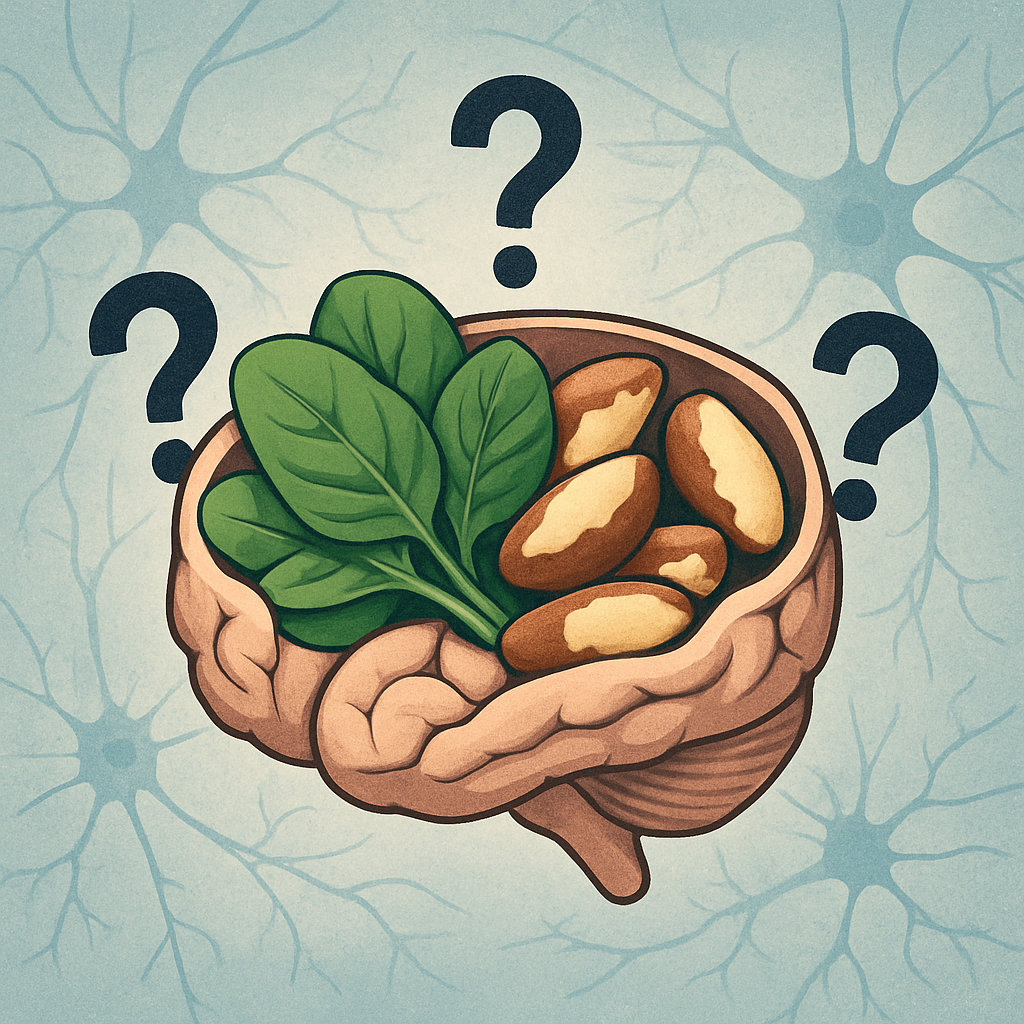
Lower plasma iron and higher plasma selenium levels have been associated with a greater risk of dementia, according to data from participants in the National Alzheimer’s Coordinating Center. This highlights the importance of nutritional factors in cognitive health and the potential role they play in the development of dementia.
Alcohol Use Disorder
A cross-sectional study conducted in Portugal found that alcohol use disorder is linked to a higher risk of developing the behavioral variant of Alzheimer’s disease. This underscores the detrimental effects of excessive alcohol consumption on brain health.
Brain Injuries in Pilots
An investigation by a House Oversight Committee revealed that the Navy largely overlooked observations of potential brain injuries among its pilots, as reported by the New York Times. This raises concerns about occupational health and safety standards within the military.
Childhood-Onset Epilepsy and Education
In a study involving over 1 million individuals in Denmark, childhood-onset epilepsy was linked to lower primary school completion rates and reduced performance in math and language. These findings suggest that early-onset neurological conditions can significantly impact long-term educational outcomes.
CAR T-Cell Therapy
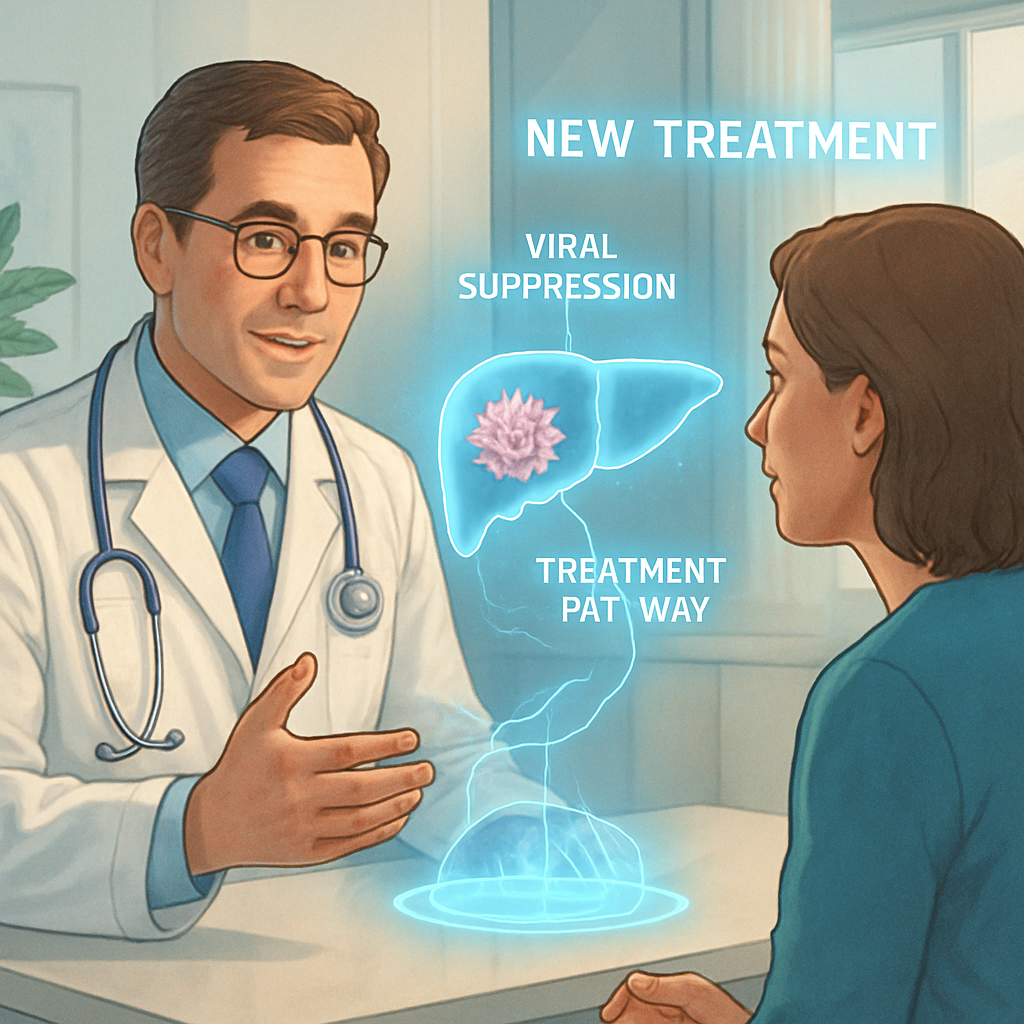
A phase I trial in China involving 16 individuals with refractory autoimmune neurologic conditions, including seven patients with progressive multiple sclerosis, showed complete B-cell depletion and preliminary clinical improvement following lentiviral in vivo CD19 CAR T-cell therapy. This offers hope for innovative treatment strategies in challenging neurological disorders.
Spinal Cord Stimulator Recall
The FDA has issued a warning regarding Boston Scientific’s recalled spinal cord stimulator for chronic limb pain, which has been linked to 1,081 serious injuries due to a problem with its lead component. This emphasizes the importance of monitoring medical devices for safety.
Myotonic Dystrophy Treatment
Investigational delpacibart etedesiran did not meet its primary endpoint in the phase III HARBOR study for patients with myotonic dystrophy type 1, according to Novartis. Continued research is essential for advancing treatment options in this area.
Immigration Status and ICU Stays
Retrospective data indicates that immigration status is associated with longer stays in the intensive care unit following ischemic stroke in Canada. This calls for consideration of social determinants of health in medical care.
Discussing Brain Death
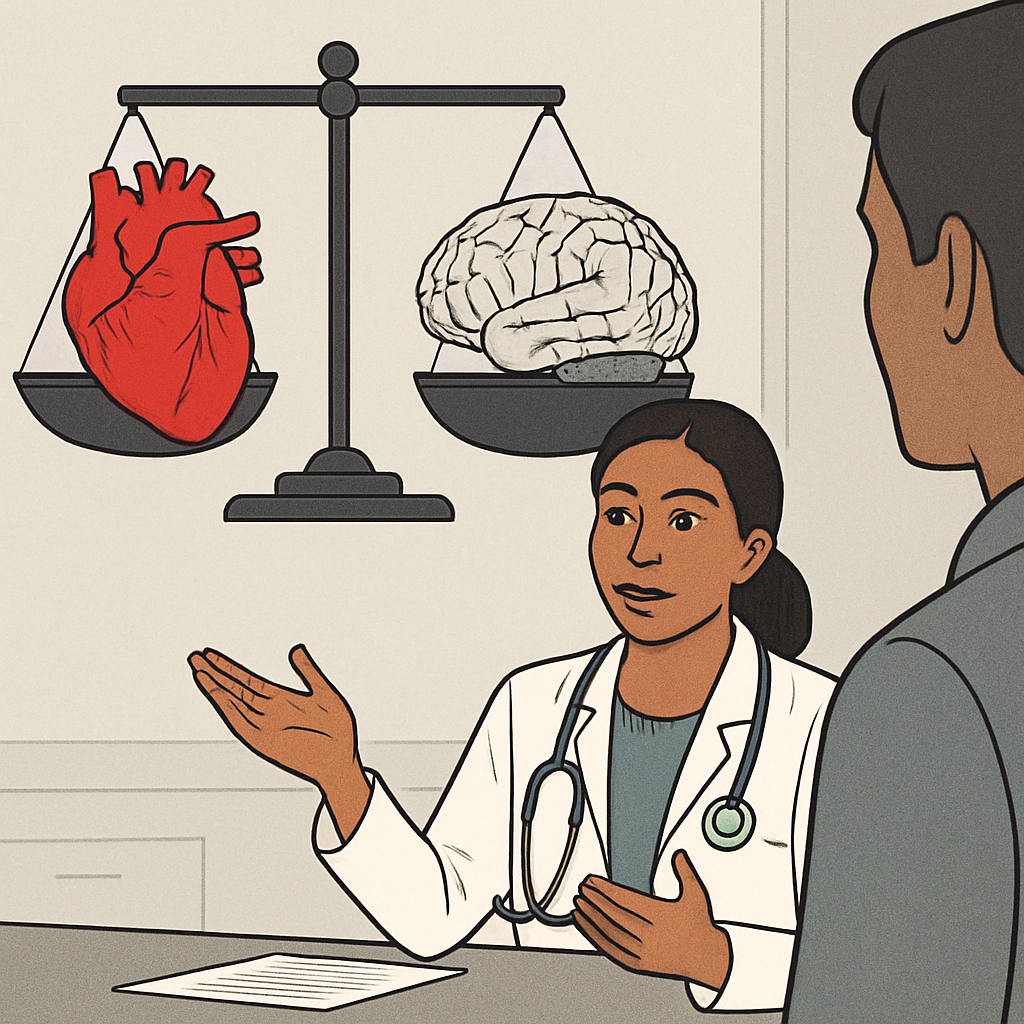
Experts provided recommendations for clinicians on how to engage with families regarding brain death evaluations and determinations. Effective communication in such sensitive situations is crucial in delivering compassionate care.
Disclaimer: The information provided is for educational purposes only and should not be construed as medical advice. Always consult with a healthcare professional for diagnosis and treatment options.
Fuente: https://www.medpagetoday.com/neurology/generalneurology/122924
Join the doctors who get the most relevant medical news, curated by specialty, every week — no spam, unsubscribe anytime.