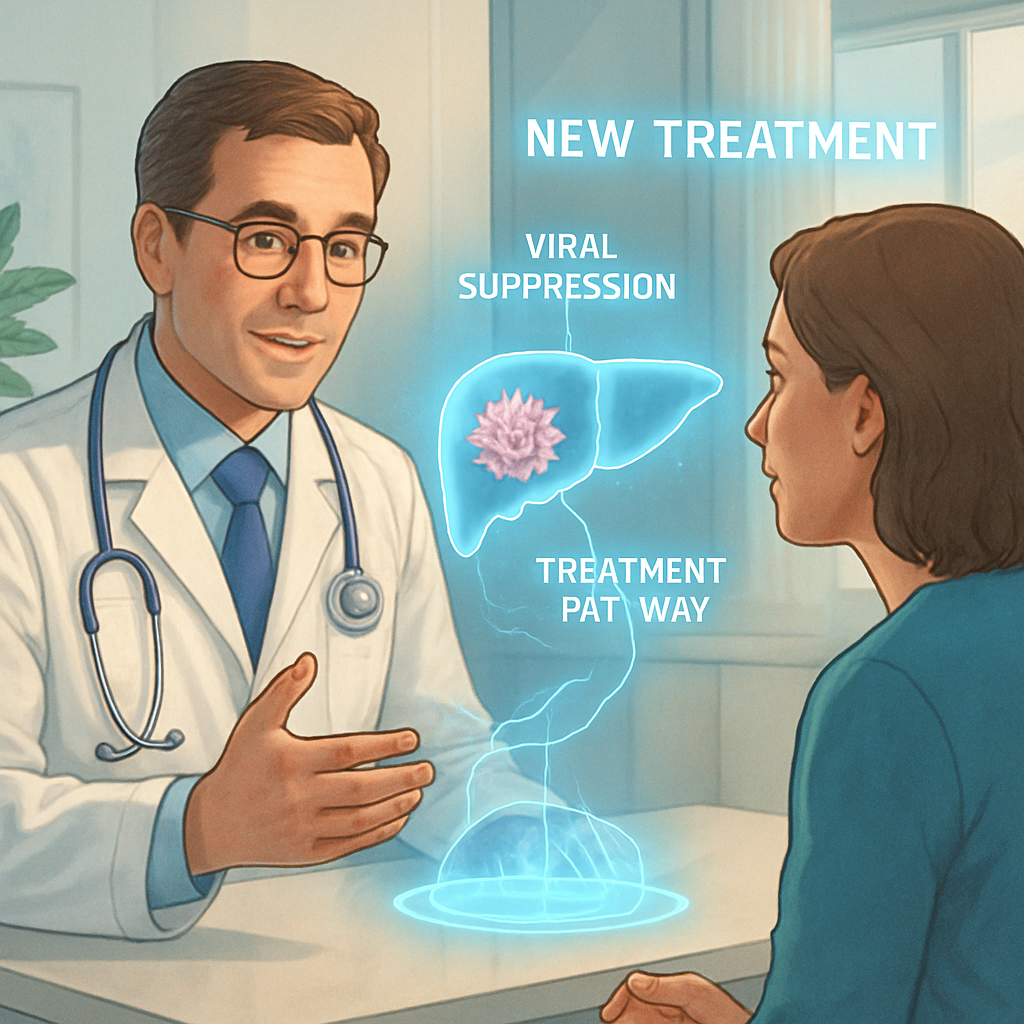

Updated guidelines from a leading obstetrics and gynecology organization expand on previous recommendations and align with a growing cross-specialty consensus on how to manage menopause symptoms.
Hormone Therapy Recommendations
For vasomotor symptoms and related sleep disturbances, the guidelines strongly recommend systemic hormone therapy with estrogen and a progestogen for women with a uterus, or estrogen alone for those who do not require endometrial protection. This is applicable to women without contraindications to hormone therapy and is based on moderate-quality evidence.
Importantly, the guidelines advise that menopausal hormone therapy should be initiated before age 60 or within 10 years of the onset of natural menopause for appropriate patients.
Alternative Treatments
In cases where hormone therapy is contraindicated, the guidelines strongly recommend selective serotonin reuptake inhibitors (SSRIs) or serotonin and norepinephrine reuptake inhibitors (SNRIs) for managing vasomotor and depressive symptoms, as well as neurokinin receptor agonists for related sleep disturbances. These recommendations are based on moderate- to high-quality evidence.
Importance of Timely Treatment
Many women experience significant discomfort during menopause, with between 50% and 92% facing hot flashes or night sweats, and 16% to 66% reporting sleep disruptions. Furthermore, more than one in three peri- and postmenopausal women report experiencing depressive symptoms.
It is noted that menopausal hormone therapy is underutilized, partly due to previous concerns regarding safety based on initial findings from earlier studies. However, continued research has clarified which patients are suitable candidates and what alternative therapeutic options exist for those who cannot take hormones.
Ongoing Educational Efforts
The updated guidelines aim to provide clarity and address misinformation about menopause, reflecting a renewed focus on education regarding this transition among healthcare providers.
The guidelines specifically target peri- and postmenopausal individuals with vasomotor, sleep, and mood symptoms, stressing tailored treatment approaches that consider individual patient characteristics and experiences.
It is crucial for healthcare providers to remain informed about the latest evidence-based approaches to menopause management to better support their patients during this transitional period.
Disclaimer: This information is intended for educational purposes only and should not be considered medical advice. Always consult a qualified healthcare provider for personal medical guidance.
Fuente: https://www.medpagetoday.com/obgyn/menopause/123457
Join the doctors who get the most relevant medical news, curated by specialty, every week — no spam, unsubscribe anytime.