
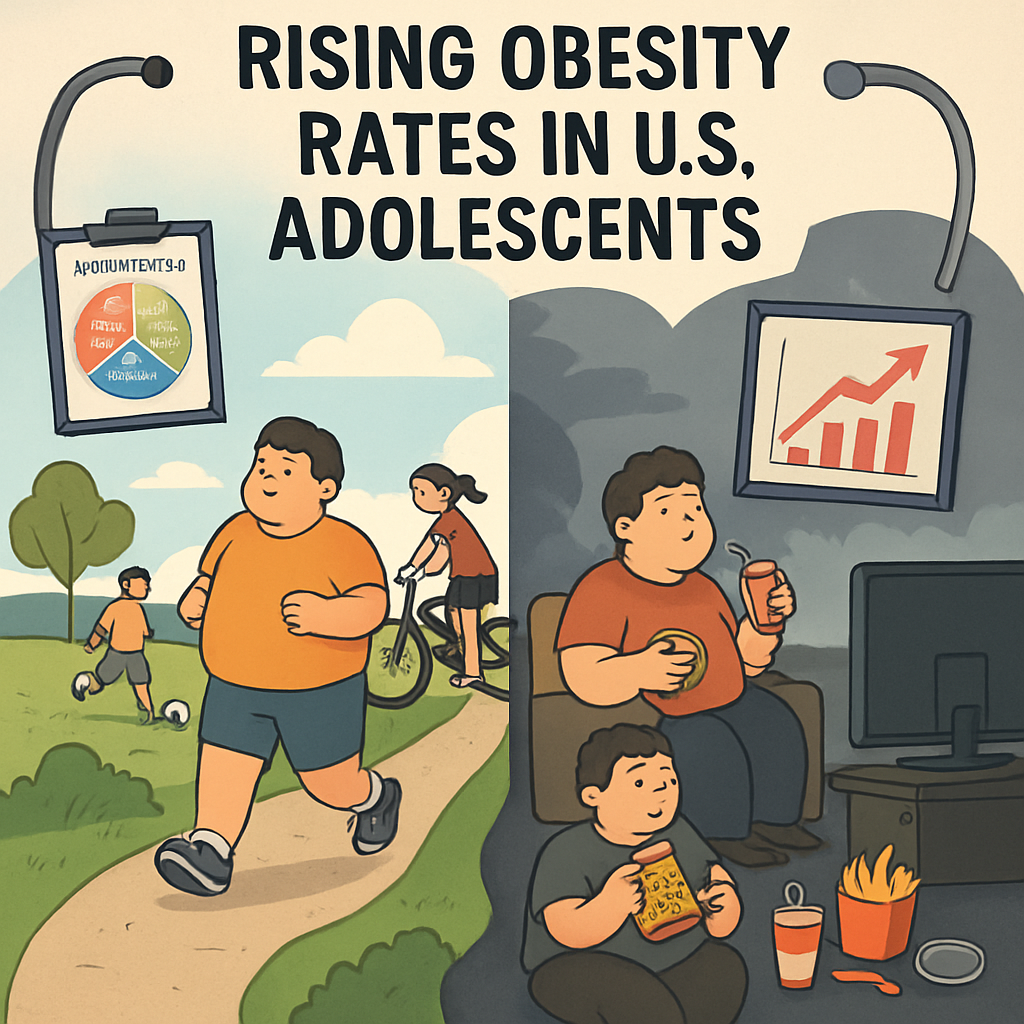
Clinical obesity has seen a significant rise among U.S. adolescents over the past two decades, highlighting the urgent necessity for targeted prevention and intervention measures.
Recent research published in JAMA Pediatrics analyzed data from the National Health and Nutrition Examination Survey (NHANES) and revealed that excess adiposity, defined as a body mass index (BMI) for age at or above the 95th percentile with a waist-to-height ratio of at least 0.50, increased from 14.2% in 1999-2000 to 18.2% in 2021-2023 among adolescents aged 12 to 19 years.
Moreover, rates of clinical obesity, which refers to excess adiposity accompanied by organ dysfunction, nearly doubled from 5.3% to 9.2%. In contrast, rates of preclinical obesity, characterized by excess adiposity without organ dysfunction, remained stable around 9%.
Importance of Contextual Factors
Study author Ligang Liu, PharmD, MPH, from Western University of Health Sciences in Pomona, California, emphasized that adolescent obesity should not be perceived solely as an individual lifestyle issue. The environments where adolescents eat, sleep, study, engage with technology, and spend leisure time significantly influence their risk of obesity.
Defining Clinical Versus Preclinical Obesity
The increasing prevalence of obesity indicates that a larger proportion of adolescents with excess adiposity already exhibit organ damage affecting various systems, including cardiovascular, metabolic, hepatic, and respiratory systems.
The most common isolated manifestations in adolescents with clinical obesity were:
- Respiratory dysfunction: 26.5%
- Metabolic cluster abnormalities: 23.6%
- Cardiovascular dysfunction: 18%
- Hepatic impairment: 7.4%
Liu reiterated the concern regarding clinical obesity, which indicates pre-existing organ dysfunction. Although preclinical obesity does not demonstrate immediate organ damage, it still poses considerable future health risks. Hence, early prevention is crucial.
Looking Beyond BMI
Given the variability of organ dysfunction among adolescents, experts urge clinicians to avoid relying solely on BMI as a diagnostic tool.
While BMI is useful for initial screening, it fails to reflect whether excess adiposity is impacting an adolescent’s health. Liu noted that two adolescents with the same BMI may present vastly different health profiles and require distinct levels of care.
Key clinical markers for evaluation in pediatric patients include:
- Growth trajectory: rapid percentile changes or adiposity rebound prior to age 5
- Dermatological signs: acanthosis nigricans, indicative of insulin resistance
- Respiratory and musculoskeletal symptoms: snoring or daytime sleepiness suggesting sleep apnea; hip pain or limping indicating slipped capital femoral epiphysis
- Cardiovascular and renal signs: hypertension, polydipsia, and polyuria
- Lab markers: elevated fasting glucose, HbA1c, triglycerides, liver enzymes, and inflammatory markers (e.g., C-reactive protein), along with low levels of high-density lipoprotein (HDL) cholesterol
Socioeconomic Disparities and Environmental Stress
The NHANES data also highlighted significant health equity gaps, with clinical obesity rates rising from 4.8% to 11.7% among adolescents from low-income households, while no significant increase occurred in higher-income households.
Liu noted that systemic barriers, such as limited access to nutritious food, safe recreational spaces, and specialty care, significantly contribute to these disparities.
He stressed the importance of addressing the food environment, opportunities for physical activity, sleep, mental health, and socio-economic conditions to foster healthier choices for families.
Mental health and chronic stress can also play a pivotal role in weight trajectories, as personal and family stress can lead to elevated cortisol levels, which disrupt hunger hormones and metabolic regulation.
Medical Therapies and Interventions
In cases where lifestyle changes are insufficient, medical intervention may be necessary. FDA-approved medications, such as GLP-1 receptor agonists like liraglutide (Saxenda) and semaglutide (Wegovy), are designated for weight management among adolescents aged 12 years and older.
Guidelines also indicate consideration for use in children as young as 8. Medications like liraglutide, semaglutide, and tirzepatide (Zepbound) are being explored in clinical studies for children aged 6 to 11.
Lucas indicated that off-label use in younger children may be appropriate for severe cases involving a BMI over 40, type 2 diabetes, fatty liver disease, or severe hypertension. However, there are risks associated with these treatments, including gastrointestinal side effects, loss of muscle mass, gallstones, pancreatitis, and potential cardiac strain.
Other weight-loss medications, such as phentermine and amphetamines, may also present side effects including decreased appetite, headaches, difficulty sleeping, gastric upset, nervousness, increased anxiety, and mood disturbances.
Bariatric surgery may be an option for severe cases where benefits outweigh risks, though it is rarely covered for individuals under 18. The Teen-LABS study found significant long-term benefits for adolescents, although risks such as infection, bleeding, and improper wound healing exist.
A comprehensive evaluation is essential for managing pediatric weight, considering factors such as mental health, dietary habits, laboratory findings, genetic and cultural elements, family history, and food security. A multidisciplinary team approach is crucial for effective management.
Disclaimer: This content is for informational purposes only and does not constitute medical advice. Consult with a healthcare provider for personalized treatment options.
Fuente: https://www.medpagetoday.com/spotlight/obesity/123363
Join the doctors who get the most relevant medical news, curated by specialty, every week — no spam, unsubscribe anytime.