Context of the Boycott
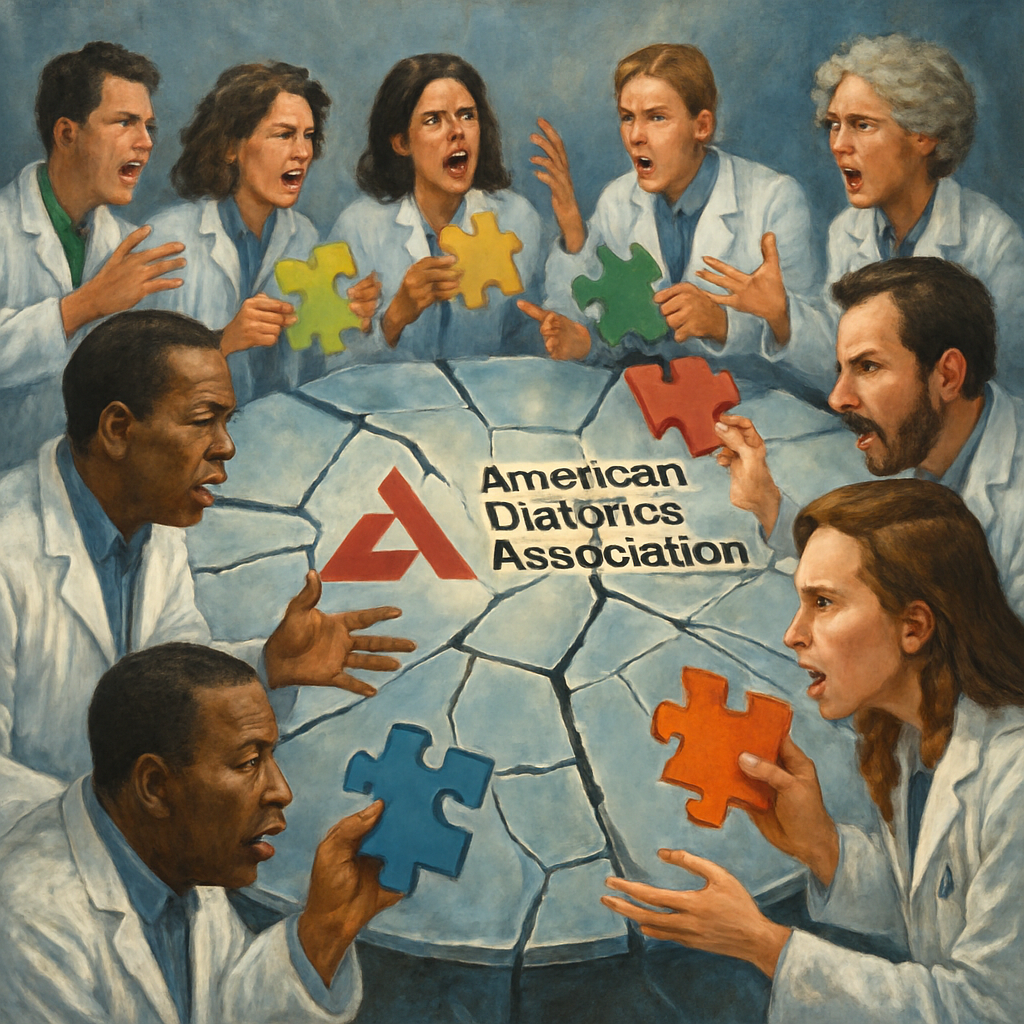
Why are members of the American Diabetes Association (ADA) boycotting their own professional society? Let me explain.
The ADA is a charitable organization, but its thousands of “members” are really just subscribers. Professional members pay hundreds of dollars for membership (up to $320/year) and as much as $725 in registration fees to attend the ADA’s annual meeting (not including hotel and travel). They also volunteer often significant amounts of time to lead guideline development and educational events, organize the annual meeting, and run its journals. But the organization does not have any responsibilities it owes to members. There is no formal process for airing grievances, no elected member representatives, and no mechanism to bring concerns to the board of directors.
The Stirring Controversy
It is this lack of accountability that has brought us to this current situation: over 1,100 ADA members and supporters are boycotting the organization. Diabetes Care, the ADA’s flagship journal, which is member-run, is not taking submissions. Grant reviews, fundraisers, and educational activities have stopped. Scientists have ceased planning activities for the ADA’s annual meeting, which is usually attended by thousands of professionals and has major sponsorship by pharmaceutical and medical device companies.
Why Now?
In April 2026, the editors of Diabetes Care, including myself, published an editorial critical of the Trump administration policies that would drastically cut funding to the NIH. Before it could be published, the ADA (our publisher) required that we add disclaimers to the article, presumably to distance the ADA from the content. On June 5, during the ADA’s annual scientific meeting in New Orleans, five physicians and scientists handed out reprints of the published editorial, coinciding with the ADA’s keynote address by an NIH official supportive of the administration’s policies. The scientists were removed by armed security and threatened with arrest if they returned.
Media Coverage
The removal of professionals from their own scientific meeting was widely covered in the national press. Not reported in the press: The ADA also cancelled the annual in-person meetings of the Diabetes Care editorial board and associate editors, scheduled to occur during and following the conference.
The Impact of Censorship
The ADA subsequently censored publication of first-hand accounts of the events and opinion pieces written by the professionals who had been removed from the meeting and others, including former ADA board members. The rationale provided to us over email for the censorship was that publication would “risk compromising the [review of events] and the integrity and editorial standards of Diabetes Care.” The ADA also censored a separate editorial focused on scientific freedom, which was accepted for publication in Diabetes, Obesity, and Cardiometabolic CARE, another journal published by the ADA.
Seeking Accountability
This boycott is aimed at compelling the ADA to answer critical questions. Who authorized immediate use of armed security rather than speaking with the individuals handing out the editorials? Why did the ADA leadership ignore emails and calls from the expelled scientists, seeking to know what they could do to have their badges reinstated and participate in the conference? Why were publications in Diabetes Care censored?
The ADA is an important and influential organization that drives clinical guidelines, national policy, and research. None of us want this boycott, but we have no other mechanism to force change.
A Path Forward
To move forward, the ADA needs to answer our questions. Its leadership needs to take responsibility for its actions. The ADA must embrace the exchange of ideas and support scientific discourse. It needs to restore full editorial independence to Diabetes Care. And it needs to regain the trust of its professional members.
The diabetes community is watching. So is every medical society.
Disclaimer: The information provided in this text is intended for educational purposes only and should not be considered medical advice. Always consult a healthcare professional for medical concerns or treatment options.
Fuente: https://www.medpagetoday.com/opinion/second-opinions/123301
Join the doctors who get the most relevant medical news, curated by specialty, every week — no spam, unsubscribe anytime.