Wearable Devices for Menopause Tracking
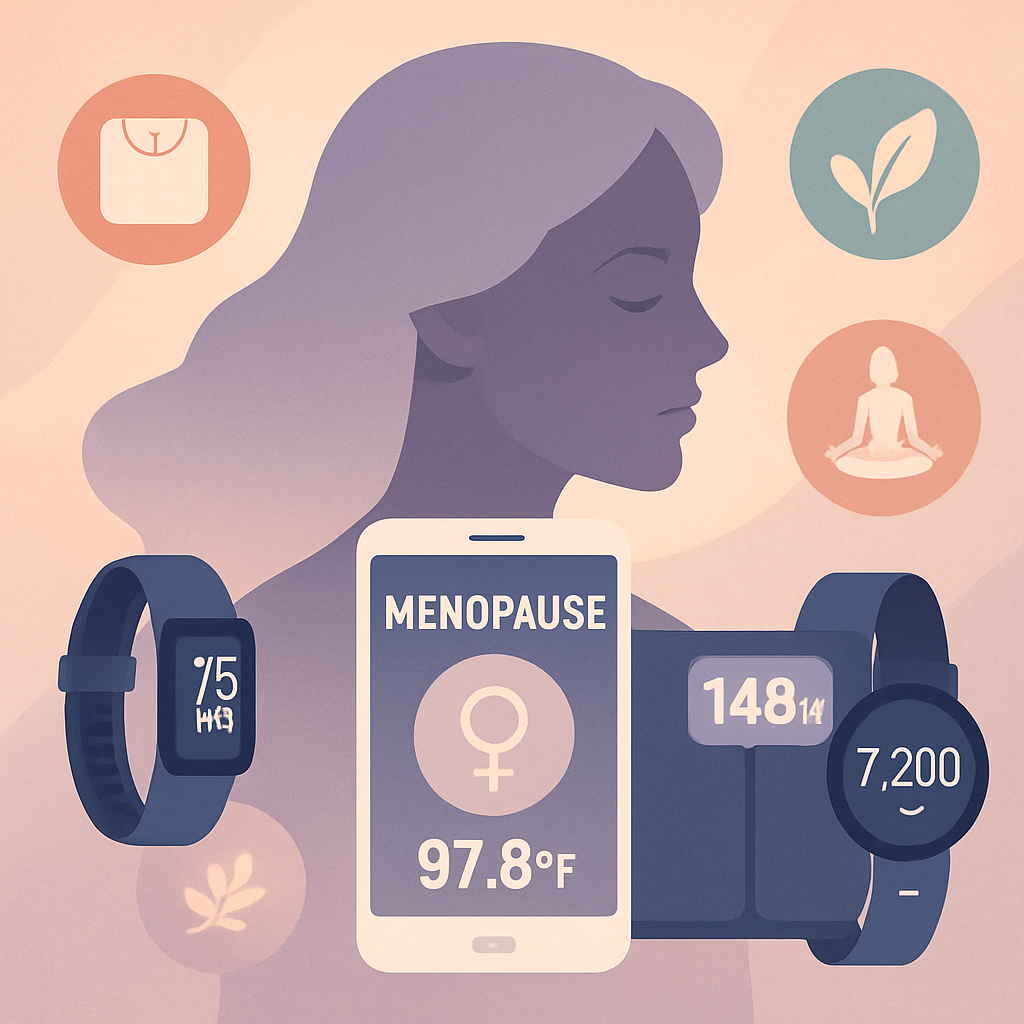
Wearable devices, such as Apple watches, are becoming tools for tracking various menopause-related symptoms. This evolving technology presents new opportunities for individuals to monitor their health outcomes during this significant phase of life.
GLP-1 Prescribing for Teens
Since 2017, there has been a notable increase in the prescribing of GLP-1 medications for bariatric surgery-eligible teenagers. However, it is concerning that 90% of these eligible adolescents are not receiving the necessary treatments, highlighting a gap in care.
New WHO Guidelines on Obesity
The World Health Organization is set to launch two new guidelines aimed at the integrated management of obesity in children and adolescents, reflecting a growing recognition of the need for comprehensive approaches to obesity in younger populations.
Pelvic Pain in Transmasculine Individuals
A systematic review involving over 4,000 patients reveals that pelvic pain is prevalent among transmasculine individuals and often continues despite the use of testosterone therapy, calling attention to the need for further research and targeted treatment options.
Cardiovascular Risks Linked to Functional Hypothalamic Amenorrhea
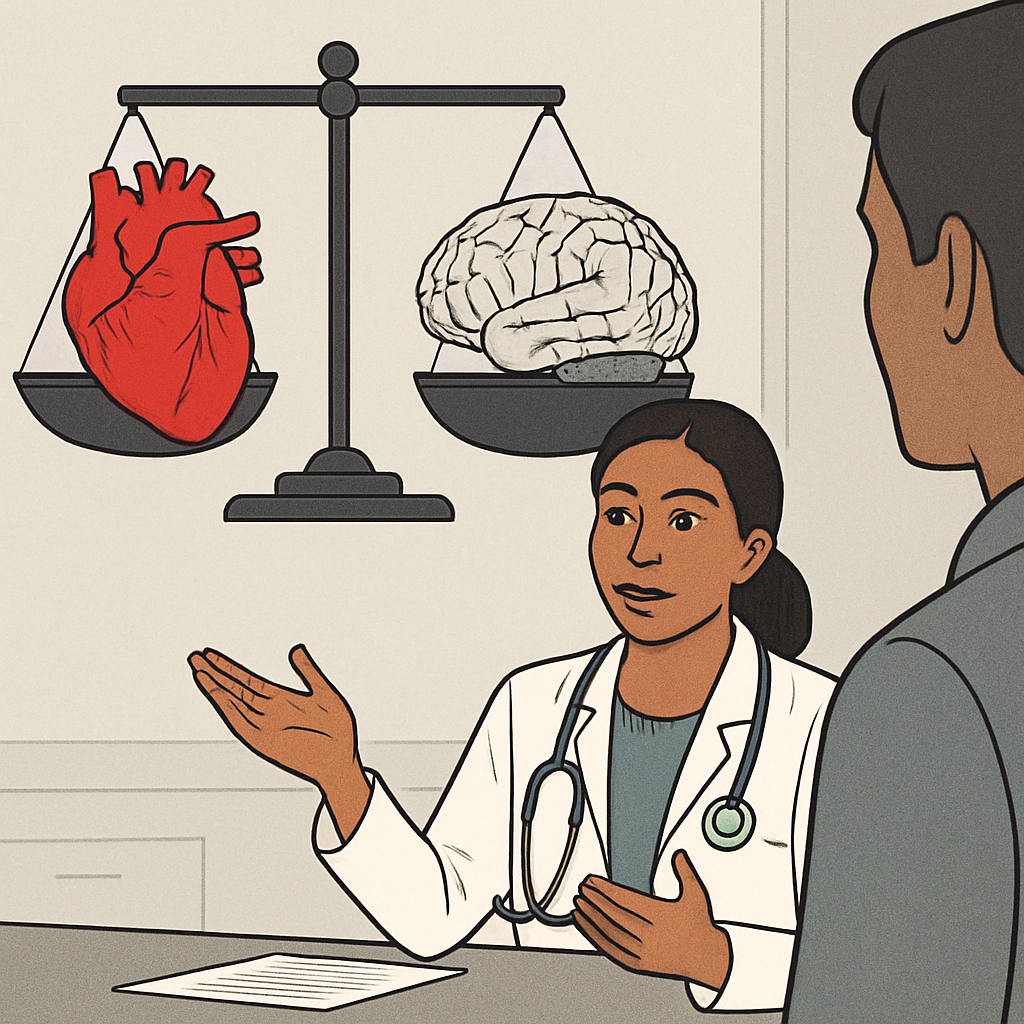
A recent prospective cohort study has indicated that functional hypothalamic amenorrhea in mid-adulthood may be associated with an increased risk of coronary heart disease, independent of other traditional cardiovascular risk factors.
Special Issue on Menopause and Women’s Health
The journal Science has released a dedicated issue focusing exclusively on menopause and women’s health, paving the way for advancing research and discussion in this critical area.
Iatrogenic Menopause and Health Risks
A meta-analysis encompassing 36 studies found that iatrogenic menopause is linked to a significantly higher risk of stroke, coronary heart disease, other cardiovascular events, and increased overall mortality rates, emphasizing the importance of careful management in these patients.
Attention to Nutrition in Food Safety
There appears to be a slow governmental response regarding demands for proof of safety from food manufacturers regarding certain ultraprocessed ingredients, raising questions about nutritional policies and public health.
Gender-Affirming Care and Health Policy Insights
Experts discuss a recent HHS report that connects support for gender-affirming care with political violence, highlighting the complexities of healthcare policies and societal impacts.
Impact of GLP-1 Medications on Dining Economics
The use of GLP-1 medications among individuals may have economic repercussions, such as impacting restaurant revenues, which is an interesting angle on how medical treatments influence broader market behaviors.
Research on Weight Gain after GLP-1 Treatment
Researchers at UTHealth Houston have been awarded a $4 million NIH grant dedicated to identifying genetic markers that might contribute to weight gain following the discontinuation of GLP-1 medications.
Disclaimer: This content is intended for informational purposes only and is not a substitute for professional medical advice, diagnosis, or treatment. Always seek the advice of your physician or other qualified health provider with any questions you may have regarding a medical condition.
Fuente: https://www.medpagetoday.com/endocrinology/generalendocrinology/123291
Join the doctors who get the most relevant medical news, curated by specialty, every week — no spam, unsubscribe anytime.