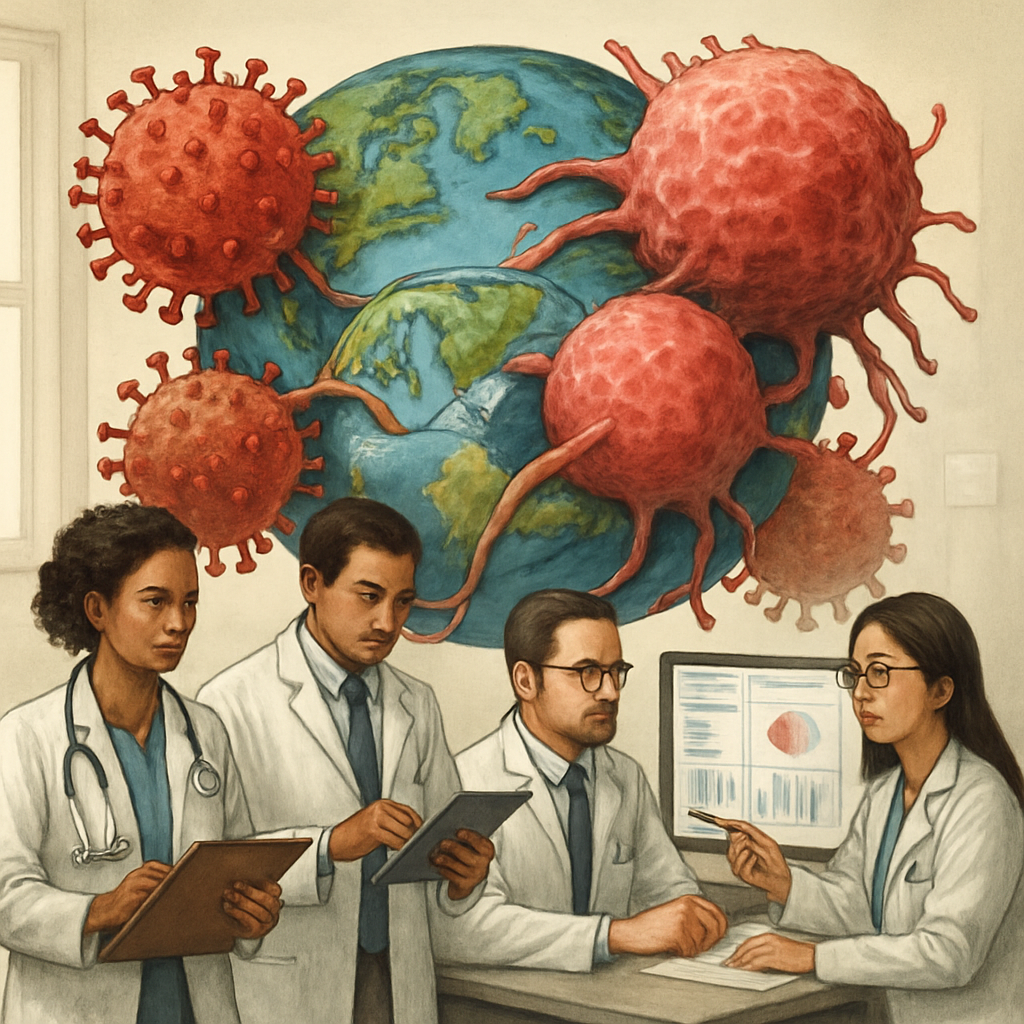
Over 2 million new cancer cases were attributable to infections globally in 2024, according to an analysis of worldwide cancer incidence, highlighting the importance of effective prevention measures.
Infections led to an estimated 2.3 million new cancer cases in 2024, including gastric cancer, cervical cancer, hepatocellular carcinoma, leukemias and lymphomas, and nasopharyngeal cancer, which accounted for 12% of all cancer cases worldwide.
Identifying Major Infectious Agents
Among 12 carcinogenic infectious agents, the largest numbers of cancer cases were attributable to:
- Helicobacter pylori: 760,000 cases, population-attributable fraction (PAF) 4%
- Human papillomavirus (HPV): 750,000 cases, PAF 4%
- Hepatitis B virus (HBV): 360,000 cases, PAF 2%
- Epstein-Barr virus (EBV): 260,000 cases, PAF 1%
- Hepatitis C virus (HCV): 160,000 cases, PAF <1%
- Kaposi’s sarcoma-associated herpesvirus (KSHV): 35,000 cases, PAF <1%
Most cancers attributable to H. pylori were non-cardia gastric cancers (700,000 cases), while cervical cancer accounted for most HPV-attributable cases (600,000). HBV and HCV were responsible for 330,000 and 130,000 cases of hepatocellular carcinoma, respectively, while EBV led to 110,000 nasopharyngeal cancers, reported Dr. Harriet Rumgay, from the International Agency for Research on Cancer in Lyon, France.
Preventive Measures and Challenges
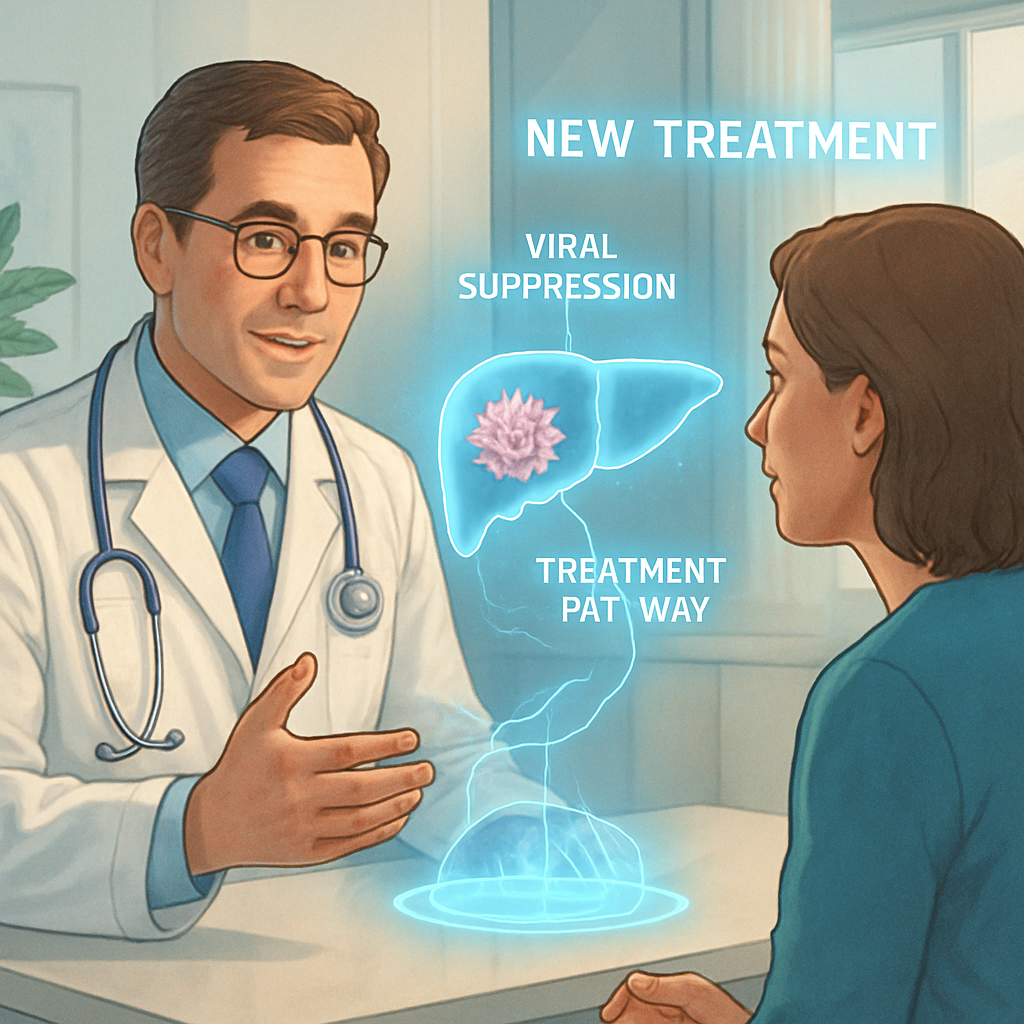
The findings underscore the importance of accelerating control of infectious agents to achieve cancer prevention goals. Clinicians can help reach those goals through interventions such as HBV and HPV vaccination; testing and treatment for H. pylori, HBV, HCV, and HIV; and cervical screening programs. Given these interventions, four of the five leading infectious causes of cancer, as well as HIV, already have highly effective prevention measures.
However, the challenge lies in the infections that currently have no effective prevention tools, particularly EBV. A major priority is the development of vaccines against EBV, which causes several cancers and has also been linked to multiple sclerosis.
Geography and infection prevalence present obstacles to managing infection-driven cancers. For instance, eastern Asia accounted for 42% of infection-attributable cancers in 2024, while sub-Saharan Africa was responsible for 25% of cases.
Tailored Prevention Strategies
Given regional variations in infection prevalence, healthcare infrastructure, vaccination coverage, and screening and treatment, no single prevention strategy will work equally well everywhere. Therefore, prevention strategies need to be tailored to local infection and disease patterns and healthcare needs, while ensuring equitable access to effective interventions.
Rumgay and colleagues analyzed data from the Global Cancer Observatory’s Cancer Today database and other registry data. They estimated the percentages of cases that could be attributed to 12 infectious agents classified as Group 1 carcinogens by the International Agency for Research on Cancer.
For all cancers in 2024, the age-standardized incidence rate (ASIR) for cases caused by infectious agents was 22.7 cancer cases per 100,000 person-years. HPV had the highest ASIR, at 7.7 cases, followed by H. pylori (6.9), HBV (3.4), EBV (2.6), HCV (1.5), and KSHV (0.4).
Study limitations included the lack of sex-specific PAFs, which may overlook sex-related differences in the percentages of infection-attributable cancer cases.
Disclaimer: This content is for informational purposes only and is not a substitute for professional medical advice, diagnosis, or treatment. Always seek the advice of your physician or other qualified health provider with any questions you may have regarding a medical condition.
Fuente: https://www.medpagetoday.com/infectiousdisease/generalinfectiousdisease/123221
Join the doctors who get the most relevant medical news, curated by specialty, every week — no spam, unsubscribe anytime.