
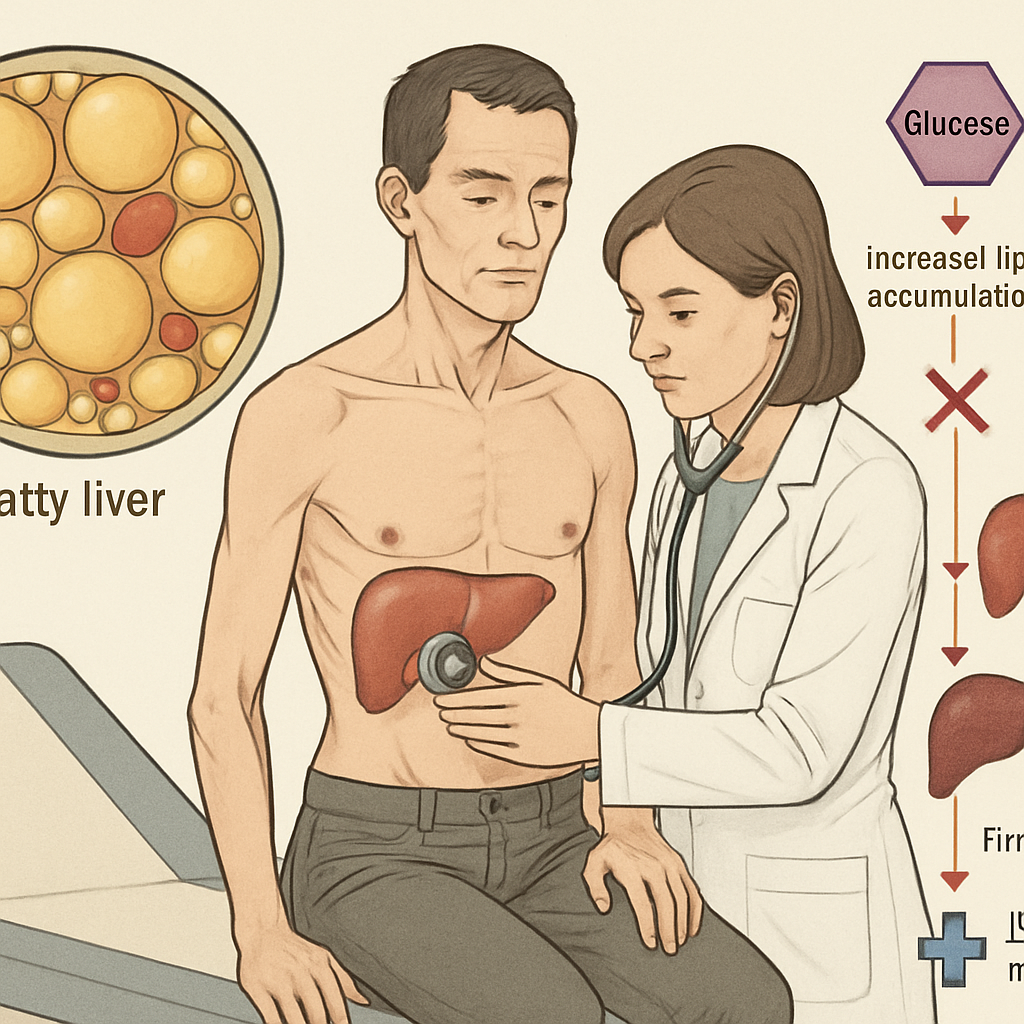
While patients diagnosed with metabolic dysfunction-associated steatotic liver disease, or MASLD, categorized as lean, demonstrated less severe histological disease, they nonetheless faced similar risks of adverse clinical outcomes compared to those with overweight or obese MASLD. This finding emerges from a comprehensive multinational retrospective study.
Key Findings
In multivariable models that accounted for factors such as country, age, sex, and metabolic comorbidities, it was determined that lean body status — assessed through body mass index (BMI) — was not significantly linked to a reduction in all-cause mortality (adjusted HR 0.90, 95% CI 0.69-1.16) nor concerning critical clinical events, which included hepatocellular carcinoma, hepatic decompensation, liver transplantation, or death (aHR 0.94, 95% CI 0.76-1.17), as reported by Zobair M. Younossi, MD, MPH, along with colleagues from the Center for Outcomes Research in Liver Diseases in Washington, D.C.
Similarly, results concerning lean MASLD as measured by waist circumference echoed these conclusions, highlighting the need for a shift in clinical approaches.
Advanced Histological Fibrosis
Notably, the study revealed that the most substantial association was linked to advanced histological fibrosis, correlating with all-cause mortality (aHR 2.10, 95% CI 1.71-2.57) and other clinical events (aHR 3.41, 95% CI 2.90-4.03).
The prevalence of advanced fibrosis recorded was 29.3% in patients with lean MASLD, contrasting with 37.2% among those classified as overweight or obese. Interestingly, the Fibrosis-4 score demonstrated a lower accuracy rate in predicting advanced fibrosis for lean patients relative to their overweight counterparts (area under the curve 0.76 vs 0.79), while liver stiffness measurements indicated a higher accuracy (area under the curve 0.87 vs 0.83).
Clinical Implications
MASLD is typically linked to excess adiposity and metabolic syndrome; nonetheless, a fraction of individuals subsequently develop MASLD despite maintaining a normal BMI. This study proposes that a normal body weight should not automatically suggest a diminished risk of adverse outcomes in established MASLD cases, prompting a call for risk assessments to prioritize fibrosis severity rather than merely anthropometric measures.
Elisabetta Bugianesi, MD, PhD, from the University of Turin in Italy, notes that cases of lean MASLD may often go undiagnosed in general practice and specialties such as endocrinology, cardiology, and internal medicine due to clinicians’ misconceptions about liver disease risk among patients with normal BMI.
From a therapeutic perspective, lifestyle interventions remain vital, but it is crucial to recognize that management goals for lean MASLD might differ from those associated with obesity-related cases. In managing lean MASLD, the emphasis should possibly shift towards improving diet quality, enhancing insulin sensitivity, and preserving or restoring muscle mass through aerobic and resistance training exercises, along with addressing cardiometabolic risk factors effectively.
Furthermore, Bugianesi highlights that future pharmacological treatments should not exclude lean patients with advanced fibrosis, as normal weight status should not provide undue reassurance, delay fibrosis evaluations, or prevent patients from receiving appropriate monitoring and treatments. The evolving paradigm for MASLD care should be informed by phenotypic awareness, genetic considerations, metabolic precision, and a focus on fibrosis outcomes.
Study Demographics
This observational study engaged 18,326 adults with confirmed MASLD represented from 41 countries in the Global MASLD project. Participants averaged 50.9 years of age, with men comprising 47.6%. Approximately 7% were identified as lean via BMI criteria, while 6% were deemed lean by waist circumference metrics, with the highest prevalence of lean MASLD reported in Asia (11.3% by BMI, 11.7% by waist circumference).
Remarkably, lean MASLD patients exhibited lower incidences of type 2 diabetes and hypertension in comparison to their overweight/obese counterparts, based on measurements of both BMI and waist circumference.
Limitations
Younossi and colleagues acknowledged multiple limitations of the study, particularly that critical determinants of lean MASLD progression, such as detailed dietary habits, physical activity levels, genetic variants, and other aspects of body composition like visceral adiposity, were not thoroughly evaluated, leaving room for unassessed residual confounding variables.
Disclaimer: This content is for informational purposes only and does not constitute medical advice. Always consult a healthcare provider for medical advice and treatment.
Fuente: https://www.medpagetoday.com/gastroenterology/generalhepatology/123219
Join the doctors who get the most relevant medical news, curated by specialty, every week — no spam, unsubscribe anytime.