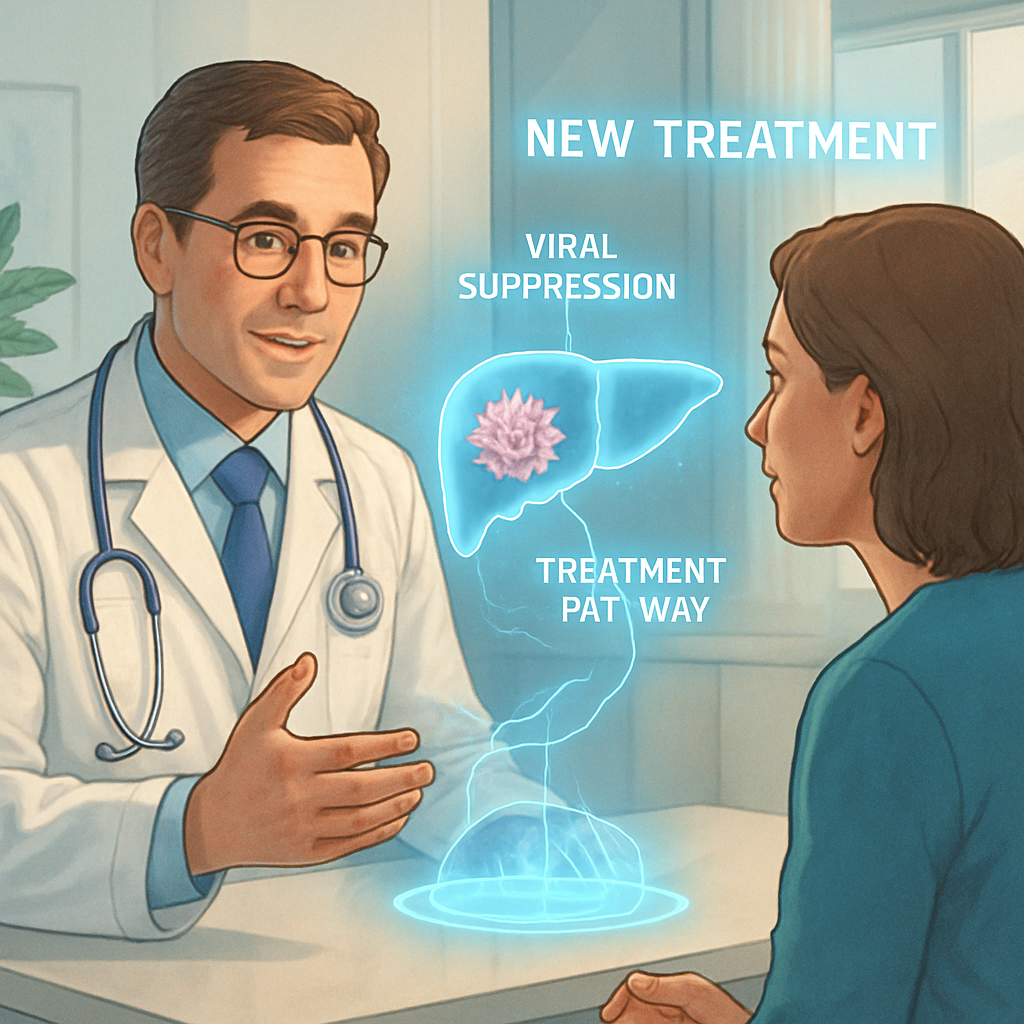
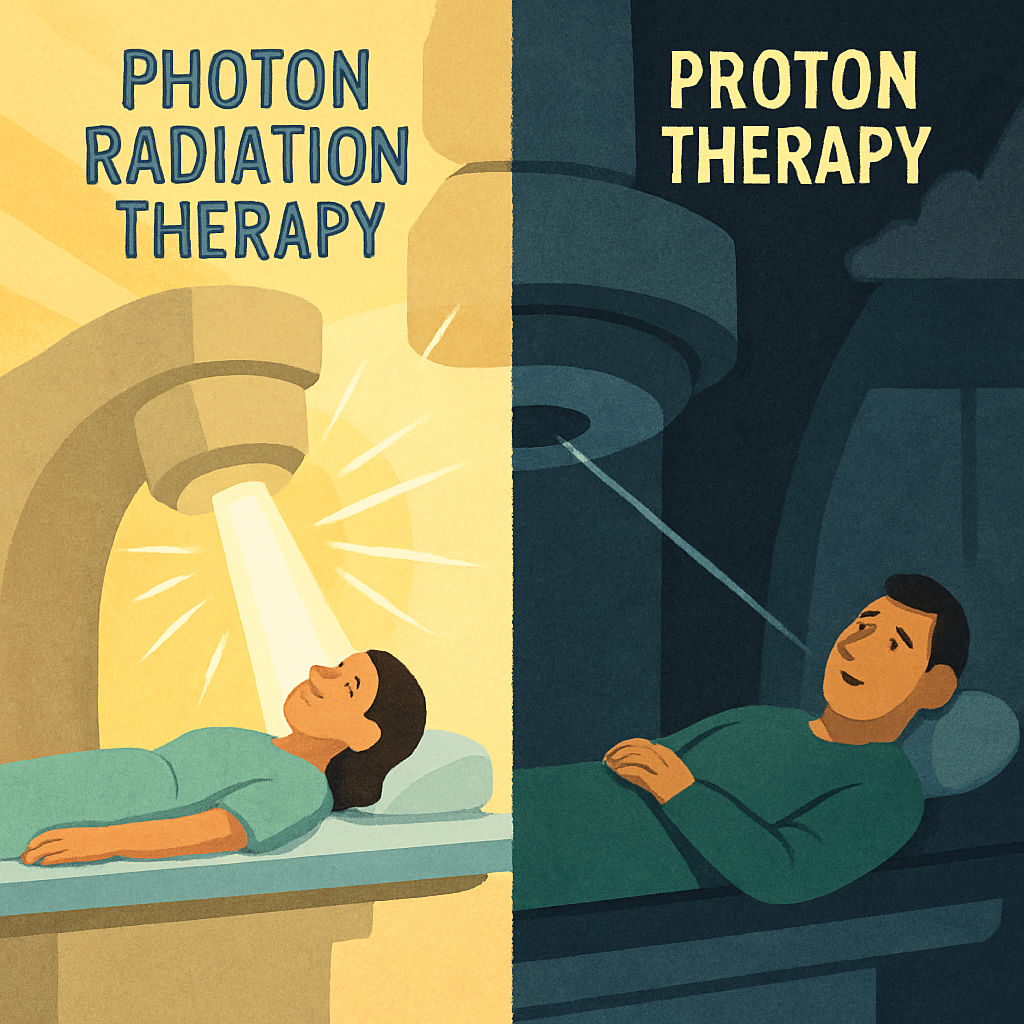
Proton therapy failed to improve survival in locally advanced hepatocellular carcinoma (HCC) compared with photon radiation therapy, surprising investigators in the multicenter randomized trial.
Key Findings
Patients treated with photon radiation therapy lived more than twice as long as those randomized to proton therapy (54.9 vs 26.6 months). A subgroup analysis indicated no significant effect from either treatment modality for most groups, except in cases of larger tumors (≥5 cm), where photon therapy significantly outperformed protons, resulting in over twofold improvement in overall survival (OS). Progression-free survival (PFS) and local progression rates did not differ significantly between the two treatment groups.
While proton therapy showed a dosimetric advantage by minimizing exposure to healthy tissue, translating into a lower rate of severe toxicity, the performance of photon therapy exceeded initial expectations, according to Dr. Theodore Hong from Dana-Farber Cancer Institute, who presented the findings at the American Society for Radiation Oncology (ASTRO) meeting in Boston.
Further Insights
Dr. Hong noted, “Both arms showed favorable outcomes regarding overall survival, but photon therapy demonstrated a notably better performance than anticipated. The post hoc analysis regarding tumor size suggests that the clinical advantages of proton therapy may not be consistent across all patients. More research is essential to determine potential factors like tumor burden or liver reserve that might predict which patients could benefit most from proton therapy.”
Despite the apparent OS advantage of photon therapy, ongoing questions regarding the specific role and effectiveness of proton therapy in oncology persist, discussed by two ASTRO panelists.
The trial aimed for a significant survival benefit with proton therapy, aiming for a hazard ratio of 0.58. Dr. Erqi Pollom from Stanford Medicine suggested that the unexpectedly strong performance of photons may be related to advancements in systemic therapy, particularly immune checkpoint combinations.
Study Design Considerations
The trial employed an “isotoxic” design, wherein the radiation dose delivered to the tumor was dictated by constraints of normal liver tissue. Although higher proton doses could theoretically have been administered, only 58% of the patients receiving proton therapy achieved the maximum dose level. Local progression rates at two years were approximately 20% for both treatment arms, which is noted as less favorable than existing data for proton therapy. This issue with dose escalation warrants further investigation.
Ultimately, both photon and proton therapies have proven to be effective and safe for treating liver cancer, challenging the trend that views radiation as a last resort after other liver-directed therapies. Dr. Pollom raised an important question: instead of only assessing whether protons can improve upon already excellent outcomes with photons, could protons be utilized to broaden the application of liver radiation to more high-risk patient cohorts?
The unexpected superior performance of photon therapy in larger tumors, where the reverse might have been expected, was highlighted by Dr. Marco Schwarz from the University of Washington.
“The trial design had to carefully define planning target volume (PTV) doses, liver doses, and tumor volumes to safely treat all patients with sufficient doses of both photon and proton therapy,” he explained. “The interplay between these parameters resulted in a scenario where protons ended up sparing normal liver tissue rather than allowing for higher doses to tumors. Reduced mean liver dosages suggest that protons have the potential to deliver higher PTV doses effectively.”
Lastly, Dr. Hong pointed out that the NRG-RTOG 1112 trial established stereotactic body radiotherapy as the standard of care for locally advanced HCC. There remains speculation regarding whether proton therapy might enhance survival by optimizing dose distributions and sparing non-target liver tissue, which was the hypothesis tested in the NRG-GI003 trial.
Participant Details
Eligible patients for the study had measurable disease, up to three single or multinodular lesions, and Child-Turcotte-Pugh (CTP) scores of A or B7. The trial involved treatment in either five or fifteen fractions, based on a design that expected a 14-month median OS for the photon control arm, projected to increase to 24 months with proton therapy.
In total, 115 patients were randomized, with a median age of 72; 79% were men. Over 90% had CTP A disease, 79% had a single tumor, and 59% received treatment in 15 fractions.
Grade ≥3 treatment-related adverse events occurred in 24% of the photon group compared to 11% in the proton group. The most common adverse event was lymphopenia, seen in 10 patients in the photon arm and three in the proton arm.
The trial had a stopping point for efficacy of log-rank P value ≤0.011, with futility defined as a hazard ratio >1. After 20.4 months of median follow-up, an interim analysis revealed a hazard of 1.3, indicating futility. A subgroup analysis identified three factors predictive of OS: CTP grade A5 vs B7, tumor vascular thrombus presence, and an interaction between treatment and tumor size.
Median PFS was 16.9 months in the proton arm against 13.7 months in the photon group, with no significant difference in local progression rates or sites of initial treatment failure.
Nota de descargo de responsabilidad: Esta información es solo para fines informativos y no debe considerarse como consejo médico. Siempre consulte a un profesional de la salud calificado para obtener orientación sobre tratamientos y cuidados médicos.
Fuente: https://www.medpagetoday.com/meetingcoverage/astro/123207
Join the doctors who get the most relevant medical news, curated by specialty, every week — no spam, unsubscribe anytime.