
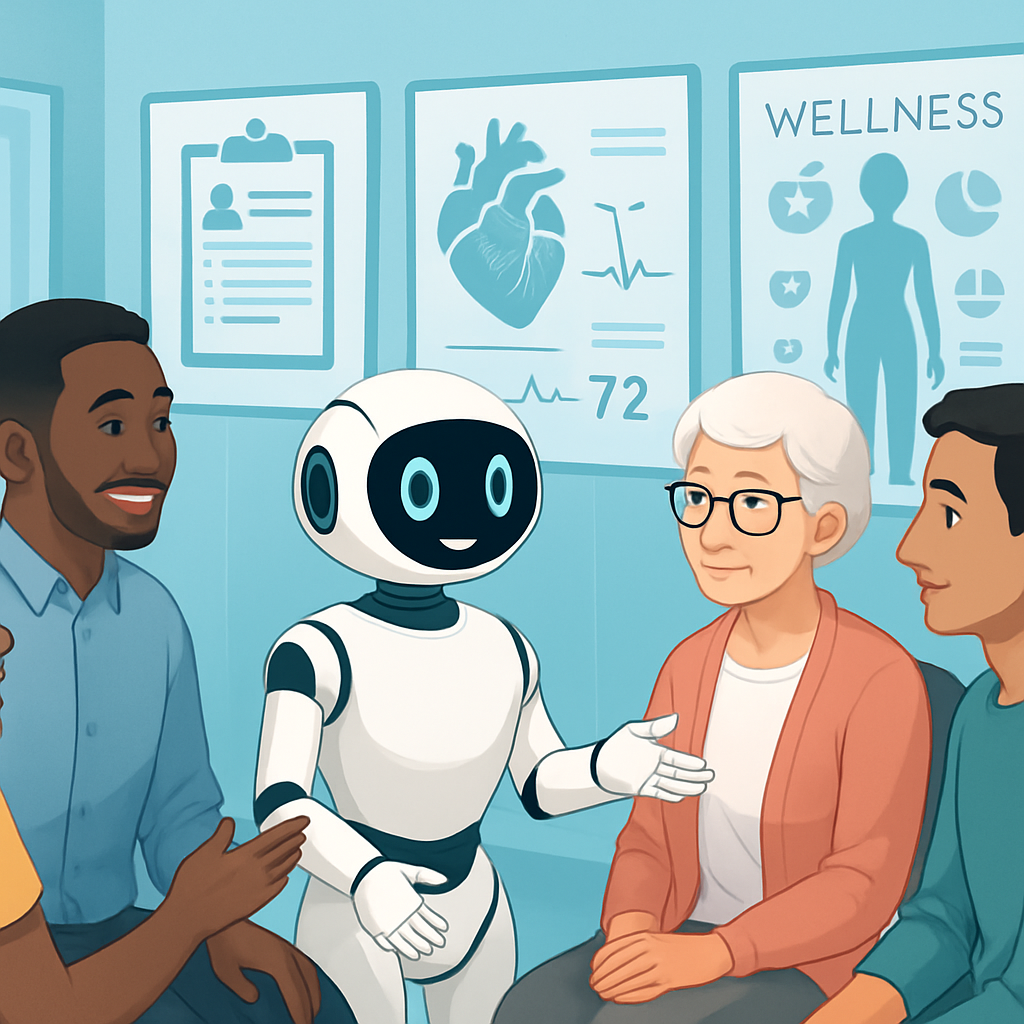
Should Medicare’s annual wellness visit (AWV) rely more on artificial intelligence (AI) than on traditional physician-led processes? This question has emerged in the proposed physician payment rule from the Centers for Medicare & Medicaid Services (CMS).
While the significance of preventive care is universally acknowledged, the impact of AWV on patient outcomes remains inconclusive. Authors of the proposed rule noted, "Some studies link AWV participation with greater use of preventive services, but improvements in actual care remain uncertain. Other studies reveal no substantial connection between AWVs and enhancements in screening rates or acute care costs."
Given these mixed outcomes, CMS is exploring whether AI tools could transition AWVs from isolated assessments to a more ongoing, data-driven, and individualized preventive care process.
Potential AI applications for AWVs might include gathering pre-visit information collected from beneficiaries, identifying those needing further assessment, and providing recommended follow-up actions for healthcare providers.
At a recent conference in Washington, D.C., Stephanie Carlton, CMS’s deputy administrator and chief clinical AI officer, highlighted that only about half of eligible seniors utilize AWVs, presenting a major opportunity for integrating AI technologies.
CMS noted that current regulations mandate that AWVs be completed by a physician or a supervised health professional enrolled in Medicare. However, they seek input on what barriers these requirements may present to innovative AWV delivery models that involve AI technologies.
The American Academy of Family Physicians (AAFP), which represents many AWV providers, expressed cautious optimism about CMS’s proposals. They support using AI to enhance AWVs by identifying eligible patients, summarizing health records, and facilitating preventive care follow-ups.
Nevertheless, AAFP emphasized that AWVs should not merely be a checklist of tasks; they are critical for integrating preventive care with a patient’s unique health history and goals.
In a comment on the Medicare payment rule, AAFP highlighted that patient decisions must happen within a trusted, ongoing relationship with a physician-led team. They warned against models that prioritize technology over continuity of care, which may lead to fragmented services and unclear responsibilities.
Similarly, the American Geriatrics Society cautioned that although technology could improve data collection, it should not replace the valuable relationships fostered through AWVs. They argue that such services should emphasize continuity-of-care practices and not be delivered in disconnected environments, like mobile clinics.
In summary, while AI holds significant potential to transform Medicare’s annual wellness visits, a balanced approach prioritizing the continuity of care and patient-physician relationships is essential.
Disclaimer: This article is for informational purposes only and should not replace professional medical advice, diagnosis, or treatment. Always seek the advice of your physician or other qualified health provider with any questions you may have regarding a medical condition.
Fuente: https://www.medpagetoday.com/publichealthpolicy/medicare/123191
Join the doctors who get the most relevant medical news, curated by specialty, every week — no spam, unsubscribe anytime.