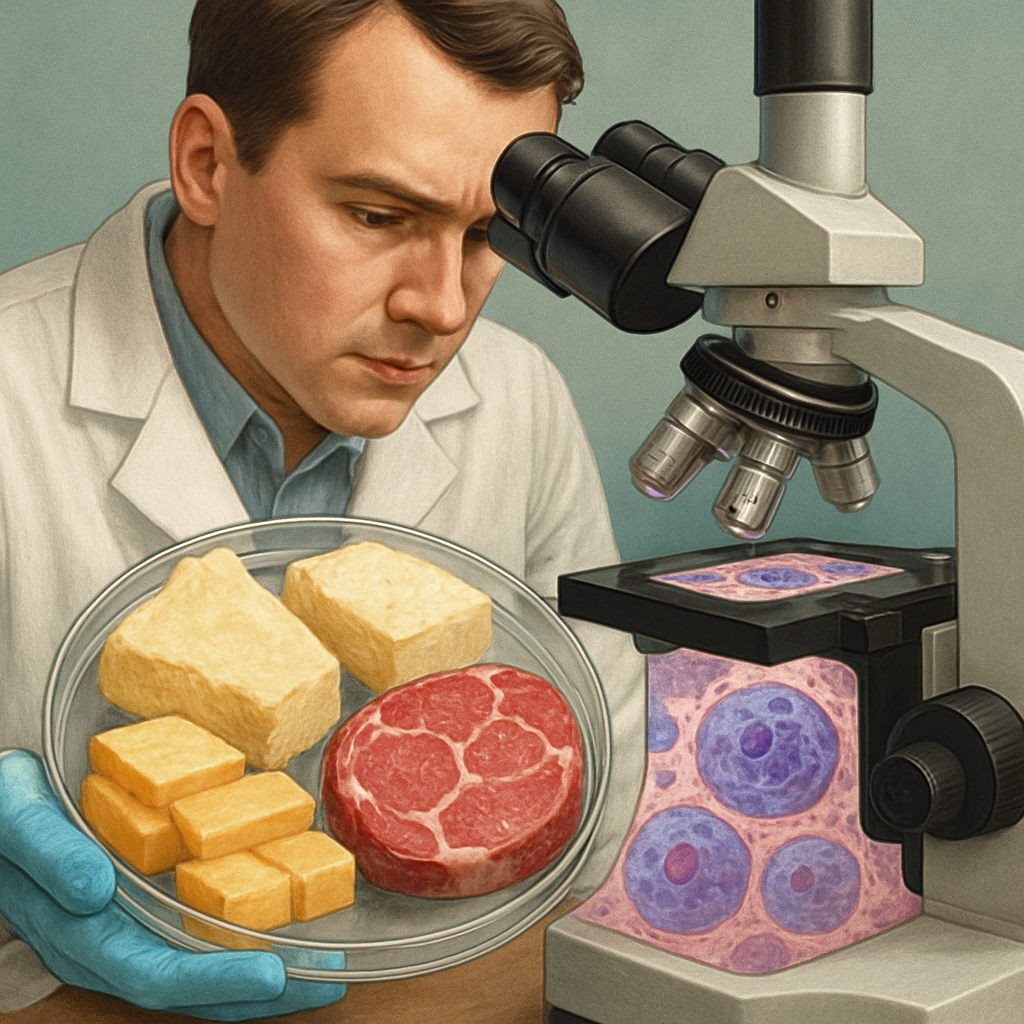
Regularly consuming certain types of dietary fats, particularly animal fats, has been linked to increased all-cause mortality in men diagnosed with nonmetastatic prostate cancer, according to a recent cohort study.
Main Findings
The study involved nearly 4,900 men and found that those with the highest saturated fat intake post-diagnosis experienced a 24% higher all-cause mortality risk compared to those with the lowest intake (HR 1.24, 95% CI 1.05-1.47), as reported by Lorelei Mucci, ScD, MPH, from the Harvard T.H. Chan School of Public Health and her team.
The researchers noted that cardiovascular disease was likely a significant factor contributing to this increased mortality risk (HR 1.42, 95% CI 1.02-1.98), as detailed in JAMA Network Open.
Additionally, a positive association was found between animal fat intake and mortality from other cancers (HR 1.49, 95% CI 1.00-2.21). Encouragingly, replacing 10% of calories from animal fats with plant-based fats (HR 0.84, 95% CI 0.76-0.93) and 5% of saturated fats with monounsaturated fats (HR 0.80, 95% CI 0.70-0.91) appeared to correlate with reduced all-cause mortality.
Importantly, there was no observed link between dietary fat consumption and mortality specifically from prostate cancer.
Clinical Implications
This study reinforces previous epidemiological findings, offering evidence-based dietary recommendations for patients and healthcare providers to enhance survivorship outcomes in nonmetastatic prostate cancer cases.
In a related commentary, David-Dan Nguyen, MDCM, MPH, from the University of Toronto, highlighted that many prostate cancer patients seek ways to improve their health outcomes.
He noted the relevance of this inquiry, especially for men with nonmetastatic prostate cancer who may live for extended periods post-diagnosis, facing significant risks from cardiovascular disease and other chronic conditions.
However, while healthcare providers desire to offer actionable advice, guidelines surrounding survivorship and healthy lifestyle choices often lack robust evidence and are inconsistently applied.
Healthcare professionals should frame dietary fat modification not as a direct treatment for prostate cancer but as a valuable preventative strategy when patients are ready to embrace healthier habits.
Holistic Health Message
The underlying message to patients can be simplified: while a healthier diet may not cure prostate cancer directly, it is essential for overall well-being in individuals living with the disease.
Given that cardiovascular disease is a common cause of death, sometimes exceeding prostate cancer itself, utilizing the time after diagnosis to improve diet, physical activity, smoking cessation, and manage cardiometabolic risks could provide significant benefits—even in the absence of a definitive impact on prostate cancer-specific mortality.
The study included 4,884 participants from the Health Professionals Follow-Up Study, tracking over 50,000 male health professionals since 1986, with confirmed diagnoses of nonmetastatic prostate cancer between 1986 and January 2019. They were monitored until December 2022.
With a mean age of diagnosis at 69.5 years, 97% of the participants identified as white, 62% were diagnosed with clinical stage T1 disease, and 10% presented with tumors graded 8 to 10 on the Gleason scale.
Participants were followed for an average of 12.8 years, a crucial duration given the long-term nature of outcomes in nonmetastatic prostate cancer.
Dietary data were collected using validated food frequency questionnaires every four years. Participants with elevated saturated, trans, and animal fat intakes were more likely to be smokers, have a higher body mass index, lower physical activity levels, and a diagnosis of diabetes. During the follow-up period, 3,040 patients died from various causes, including 441 deaths from prostate cancer, 499 from other cancers, and 803 from cardiovascular disease.
Mucci and her colleagues acknowledged limitations in their study, notably the inability to evaluate individual fatty acids.
They cautioned that grouping specific fatty acids together could lead to ambiguous results across studies due to varying dietary components.
Disclaimer: This information is intended for educational purposes only and should not be considered as medical advice. Please consult a healthcare professional for personalized guidance.
Fuente: https://www.medpagetoday.com/urology/prostatecancer/122867
Join the doctors who get the most relevant medical news, curated by specialty, every week — no spam, unsubscribe anytime.