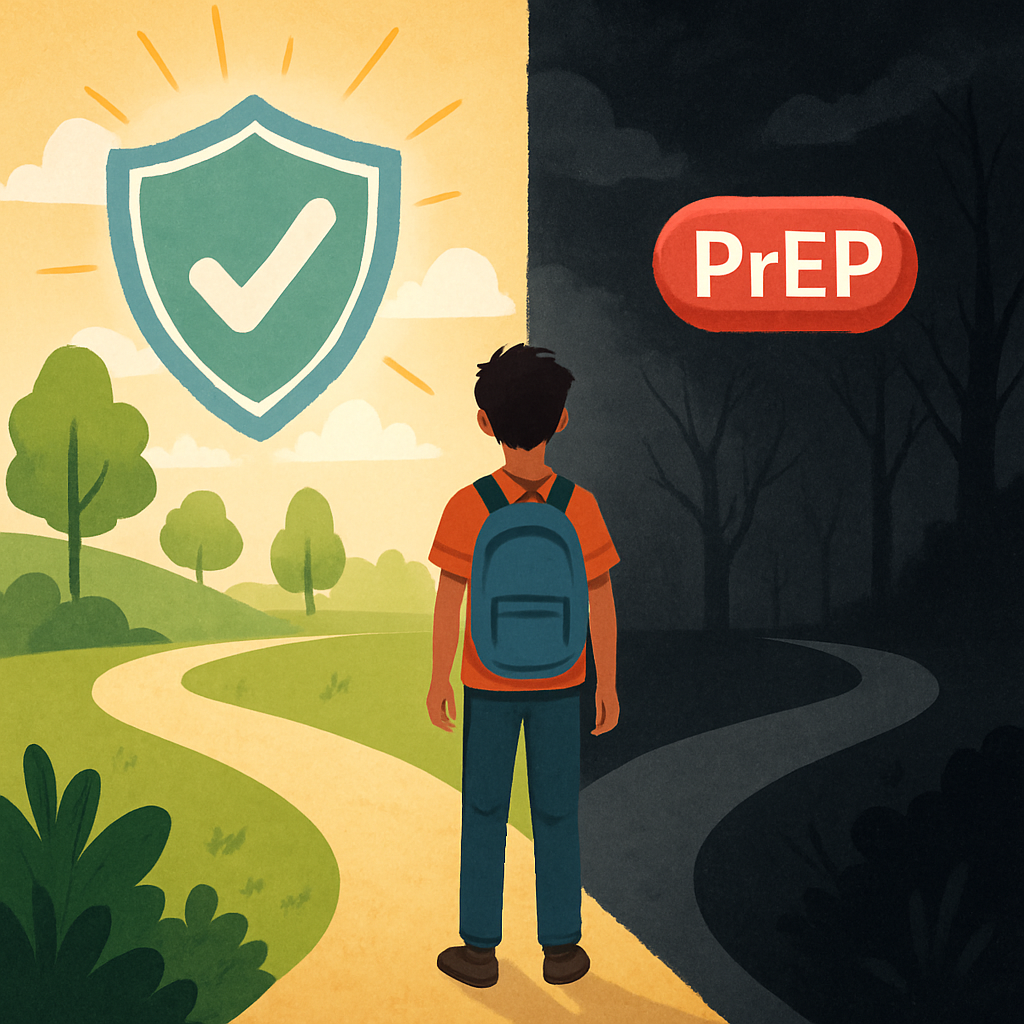
Adolescent and young adults in the U.S. who are at risk of HIV are not receiving the necessary pre-exposure prophylaxis (PrEP) prescriptions, according to a national analysis of prescription data involving over 100,000 youth.
Among individuals aged 13 to 21 years with a documented sexually transmitted infection (STI) or high-risk sexual behavior, only 1.6% filled a PrEP prescription between 2018 and 2022, as reported by researchers led by Dr. Nicholas Venturelli from Boston Children’s Hospital.
Disparities Identified
Minors, young women, and those residing in the South experienced more significant disparities, as indicated by findings published in JAMA Pediatrics.
The study concluded that there are persistently low rates of PrEP prescriptions among youths in the U.S., even in higher risk groups such as those previously diagnosed with syphilis. This highlights a gap in preventive HIV care for young individuals and emphasizes the need for tailored and more effective interventions to enhance PrEP accessibility and usage.
Young men were found to be 15 times more likely than young women to fill a PrEP prescription, while individuals aged 20 to 21 were three times more likely than those aged 13 to 17 to receive PrEP.
Geographic Disparities
When comparing regions, PrEP fill rates were 26% lower in the Midwest and 31% lower in the South compared to the Northeast. This critical disparity in PrEP uptake among young men and women is particularly alarming given that women comprised 18% of all new HIV diagnoses in 2021.
Perceptions that PrEP is primarily a resource for men who have sex with men may further widen this gap, contributing to longer delays for young women in starting PrEP following identification of their HIV risk.
Current HIV Trends
In a concurrent viewpoint, Dr. Maria Trent from Johns Hopkins University reported that in 2022, only 3% of individuals living with HIV in the U.S. were adolescents and young adults aged 13 to 24, despite this age group accounting for 19% of new HIV diagnoses that year. Their disproportionate incidence of new infections sustains HIV prevalence as they transition into older populations.
The authors noted that young individuals represent a critical inflection point in the HIV epidemic. Unfortunately, existing healthcare systems largely depend on adult-focused models that inadequately address the structural, policy, and developmental contexts influencing youth engagement.
Recommendations for Improvement
If prevention and intervention strategies are not adapted to meet the needs of young people, recent epidemiological advancements may stagnate or even deteriorate. It has been proposed that integrating HIV services with housing support, behavioral healthcare, and transportation assistance might enhance continuity of care for youth who navigate different support systems.
The study analyzed data from January 2018 to December 2022 drawn from the national Merative MarketScan Research Database of employer-based insurance claims.
Study Findings
Out of 100,536 participants in the study, the mean age was 18.8 years, with 71.2% being female. 56% had a documented high-risk sexual behavior, while 48.9% had an STI diagnosis. Mental health diagnoses were recorded in over a third (34.7%) of participants, while 7.1% had substance use diagnoses. Most participants (52.4%) lived in the South, followed by 20.5% in the Midwest, 15.4% in the Northeast, and 11.3% in the West.
During follow-up, 1,598 participants filled a PrEP prescription. Of these, 27.1% had an STI documented, while 77.9% displayed high-risk sexual behavior. Participants with syphilis were three times more likely to fill a PrEP prescription compared to those without STIs.
Interestingly, perceived sexual behaviors—not STIs—often resulted in PrEP recommendations, underscoring the need for thorough screening for sexual behavior.
Youths in states with progressive LGBTQ+ laws were 36% more likely to receive a prescription. However, having privacy laws that allowed minors to consent to HIV care did not significantly affect PrEP fill rates.
Family physicians commonly wrote filled PrEP prescriptions (23.2%), while pediatricians contributed to 4.8% of these prescriptions.
Limitations of the Study
Limitations of the study included a lack of information on race, ethnicity, gender identity, or sexual orientation within the dataset. Moreover, the methodology for identifying eligible youth may have overlooked some individuals at risk for HIV.
Disclaimer
The information provided in this article is for educational purposes and should not be considered medical advice. Always consult a healthcare professional for medical concerns.
Fuente: https://www.medpagetoday.com/infectiousdisease/hivaids/120677
Join the doctors who get the most relevant medical news, curated by specialty, every week — no spam, unsubscribe anytime.