
Introducción
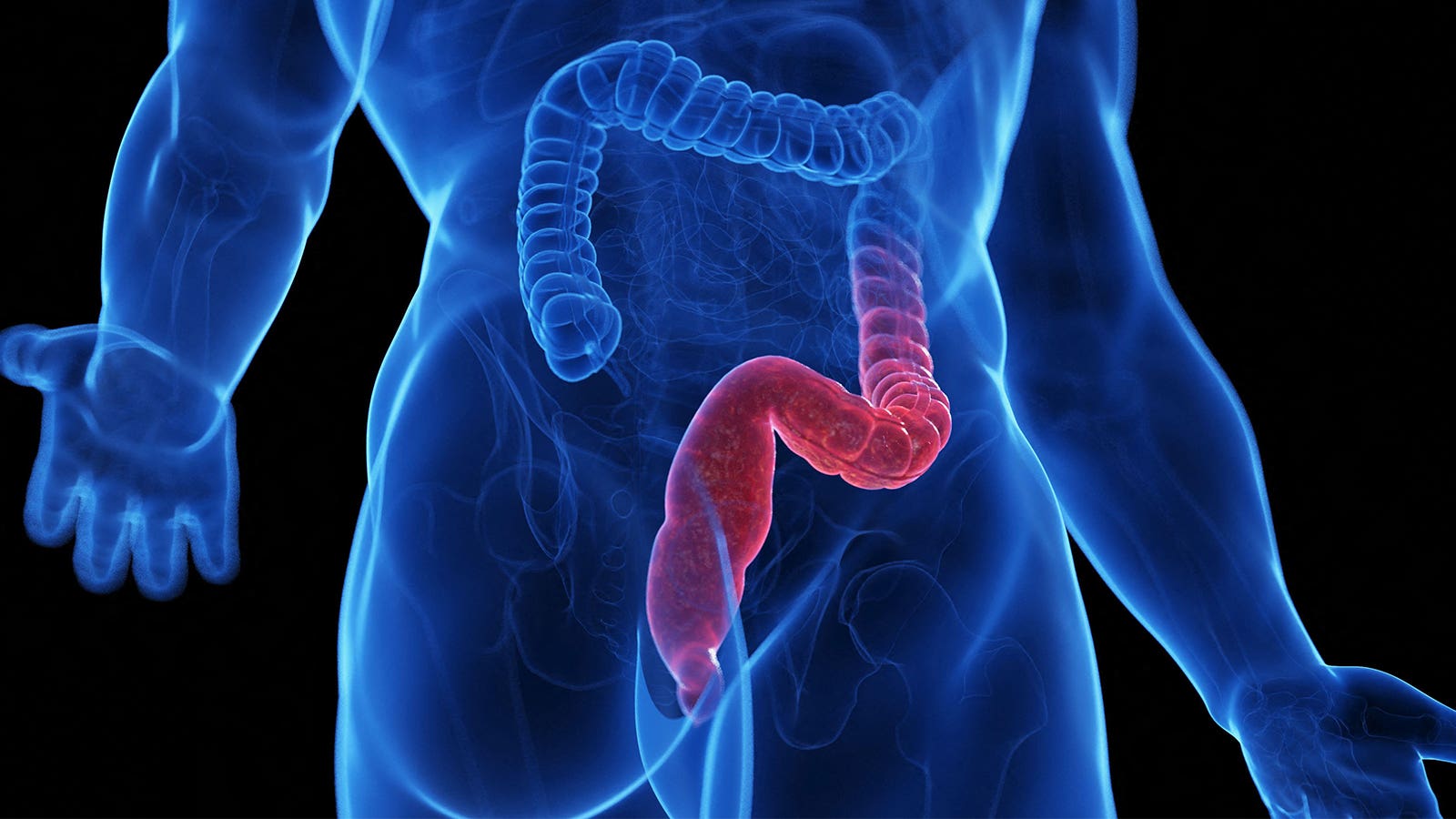
The use of GLP-1 receptor agonists was linked to improved remission rates in patients with ulcerative colitis, a retrospective cohort study suggested.
Resultados del Estudio
Among 300 patients with ulcerative colitis, use of liraglutide (Victoza, Saxenda) or semaglutide (Ozempic, Wegovy) for metabolic indications was associated with higher remission rates compared with no use at 4 weeks (34.7% vs 15.3%, P=0.001), 8 weeks (54.7% vs 18%, P<0.001), and 12 weeks (66.7% vs 25.3%, P<0.001).
After adjusting for age, sex, baseline partial Mayo score, obesity, diabetes status, and category of concomitant biologic therapy, the use of GLP-1 drugs was strongly and independently associated with symptomatic remission (adjusted OR 5.90, 95% CI 3.52-9.86, P<0.001).
Diferencias entre Medicamentos
When broken down by the type of GLP-1 drug used, there was a modest advantage with semaglutide versus liraglutide, with symptomatic remission rates of 72.5% and 60% at 12 weeks, respectively (OR 1.77, 95% CI 1.02-3.25, P=0.04).
Notably, clinical improvement preceded meaningful weight loss, supporting a potential weight-independent anti-inflammatory mechanism.
Implicaciones Clínicas
These real-world findings support a potential adjunctive role for GLP-1 receptor agonists in ulcerative colitis, though confirmation in prospective studies, including randomized controlled trials, is needed.
These findings build upon previous research suggesting that GLP-1 agonists may offer benefits in inflammatory bowel disease (IBD) that extend beyond their metabolic indication.
For example, a recent study showed that the use of GLP-1 drugs was associated with significantly lower rates of corticosteroid dependence and fewer hospitalizations among adults with overweight/obesity and Crohn’s disease.
According to preclinical studies, “GLP-1 signaling reduces pro-inflammatory cytokine production, enhances epithelial barrier function, and attenuates colonic inflammation in experimental models of IBD,” Alqinai and team explained.
Detalles del Estudio
The researchers used electronic health record data from the West Virginia University health system from 2022 to 2024 and included 300 patients with ulcerative colitis — 150 who received either liraglutide (46.7%) or semaglutide (53.3%) during the study period and a control cohort of 150 patients who did not receive a GLP-1 drug.
The primary outcome was symptomatic remission at 12 weeks (defined as a partial Mayo score ≤2, with a rectal bleeding subscore of 0).
Mejoras en los Resultados
Mean partial Mayo scores improved from 5.8 at baseline to 2.1 at 12 weeks in the GLP-1 receptor agonist group versus an improvement of 5.7 to 4.6 in controls (P<0.001 for between-group comparison).
An exploratory analysis showed that endoscopic remission was achieved in 58% of GLP-1 drug users compared with 38% of controls.
GLP-1 drugs were generally well tolerated, with common, but mostly mild, gastrointestinal side effects.
Consideraciones Finales
The authors acknowledged that the study was limited by its retrospective design, and pointed out that despite matching on key prognostic variables, residual confounding could not be entirely eliminated.
Disclaimer: The information provided here is for educational purposes only and should not be considered a substitute for professional medical advice, diagnosis, or treatment.
Fuente: https://www.medpagetoday.com/gastroenterology/inflammatoryboweldisease/122775
Join the doctors who get the most relevant medical news, curated by specialty, every week — no spam, unsubscribe anytime.