
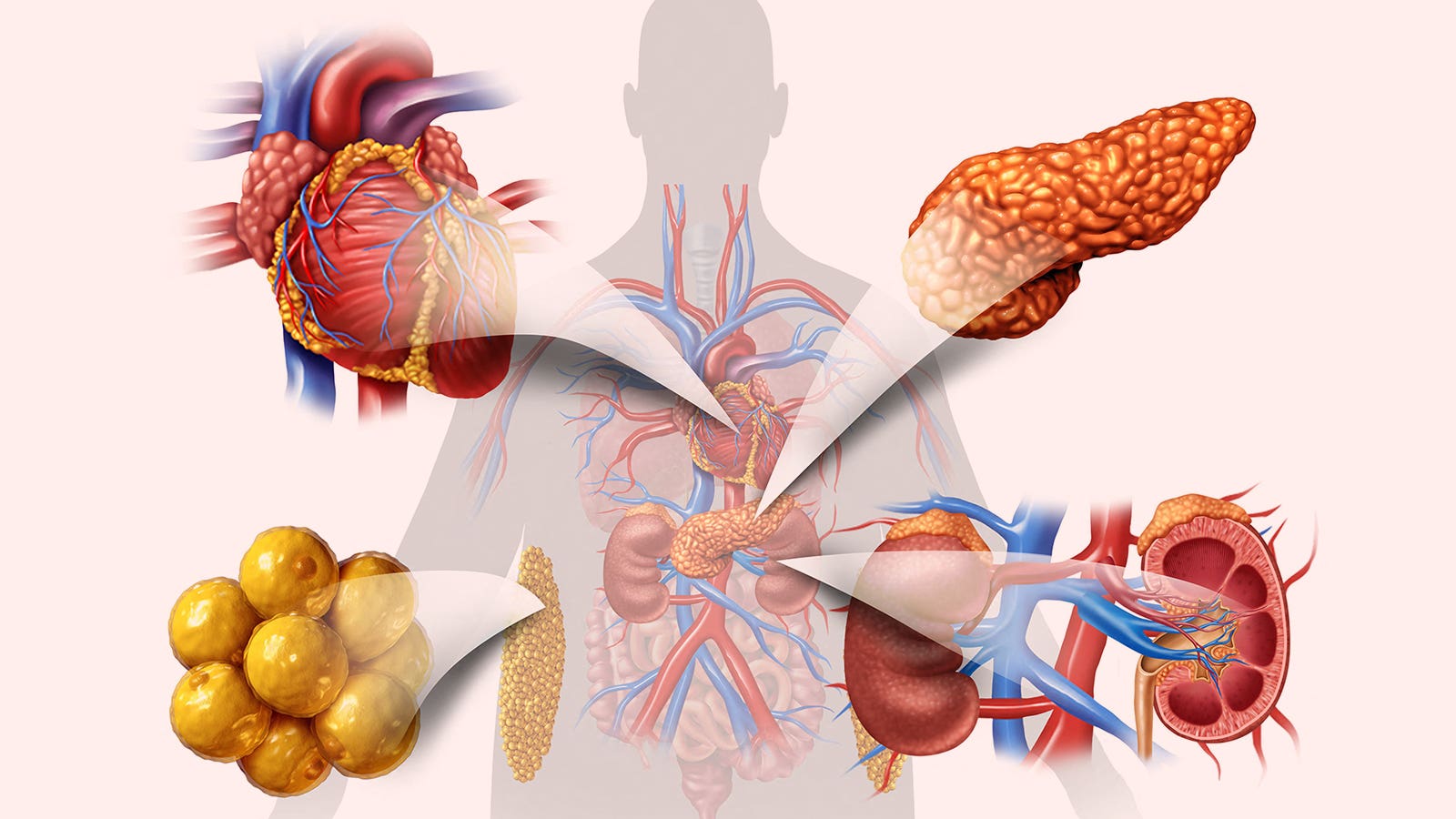
The first dedicated U.S. guideline for cardiovascular-kidney-metabolic (CKM) syndrome makes a big push to unite primary and specialty care in managing large swaths of the population.
The American Heart Association (AHA) and the American College of Cardiology (ACC) now stress interdisciplinary collaboration among cardiologists, endocrinologists, nephrologists, and primary care clinicians caring for patients at various stages of or at risk for CKM syndrome in the new guideline, which was published in the Journal of the American College of Cardiology.
Definition of CKM Syndrome
CKM syndrome is defined as a health disorder stemming from connections among heart disease, kidney disease, diabetes, and obesity. Nearly 90% of U.S. adults are said to have at least one CKM syndrome risk factor (e.g., excess weight, high blood pressure, abnormal lipids, high blood glucose, or reduced kidney function).
Dr. Chiadi Ndumele from Johns Hopkins University emphasized the importance of collaboration and screening for CKM syndrome in both primary care and subspecialty clinics.
The CKM syndrome framework was first introduced by the AHA in 2023. This new guideline replaces the previous one on overweight and obesity from 2013.
Call for Early Screening
Dr. Ndumele stated that heart, kidney, and metabolic conditions are interconnected, advocating for earlier screening and a focus on prevention to reduce cardiovascular disease risk.
The AHA and ACC recommend staging for CKM syndrome for all youths and adults, with assessments including metabolic risk factors, kidney function, and cardiovascular disease (CVD) status (class I recommendation).
Monitoring and Treatment Implications
For adults without CKM syndrome, monitoring of lipids, glycemia, and kidney function should occur at least every 5 years to ensure timely identification of risk factors (class I). For those with overweight/obesity or prediabetes, monitoring should happen every 2 to 3 years (CKM stage 1; class I), and annually once metabolic risk factors and/or chronic kidney disease (CKD) arise (CKM stage 2-3; class I).
Body mass index and waist circumference should be measured at least annually to identify risk for CKM stage progression (class I).
Additionally, the importance of lifestyle changes for weight management is emphasized to prevent the progression of CKM syndrome.
Pharmacotherapy Recommendations
Pharmacotherapy options are listed for various stages. GLP-1 receptor agonists are weakly recommended for CKM stage 1 for weight loss and improving blood sugar (class IIa). By CKM stage 2 or 3, SGLT2 inhibitors or GLP-1 receptor agonists are endorsed for patients with type 2 diabetes and CVD risk (class I).
For patients with CKD and type 2 diabetes, renin-angiotensin system inhibitors and SGLT2 inhibitors are recommended as first-line therapy (both class I), with further treatment options if albuminuria persists (both class I).
The development of the CKM guideline was a collaborative effort by the AHA, ACC, American Diabetes Association, Obesity Association, and American Society of Nephrology.
Disclaimer: This response is for informational purposes only and should not be considered medical advice. Always consult a healthcare professional for personalized advice regarding health conditions and treatments.
Fuente: https://www.medpagetoday.com/cardiology/generalcardiology/121681
Join the doctors who get the most relevant medical news, curated by specialty, every week — no spam, unsubscribe anytime.