Contextualización del Problema
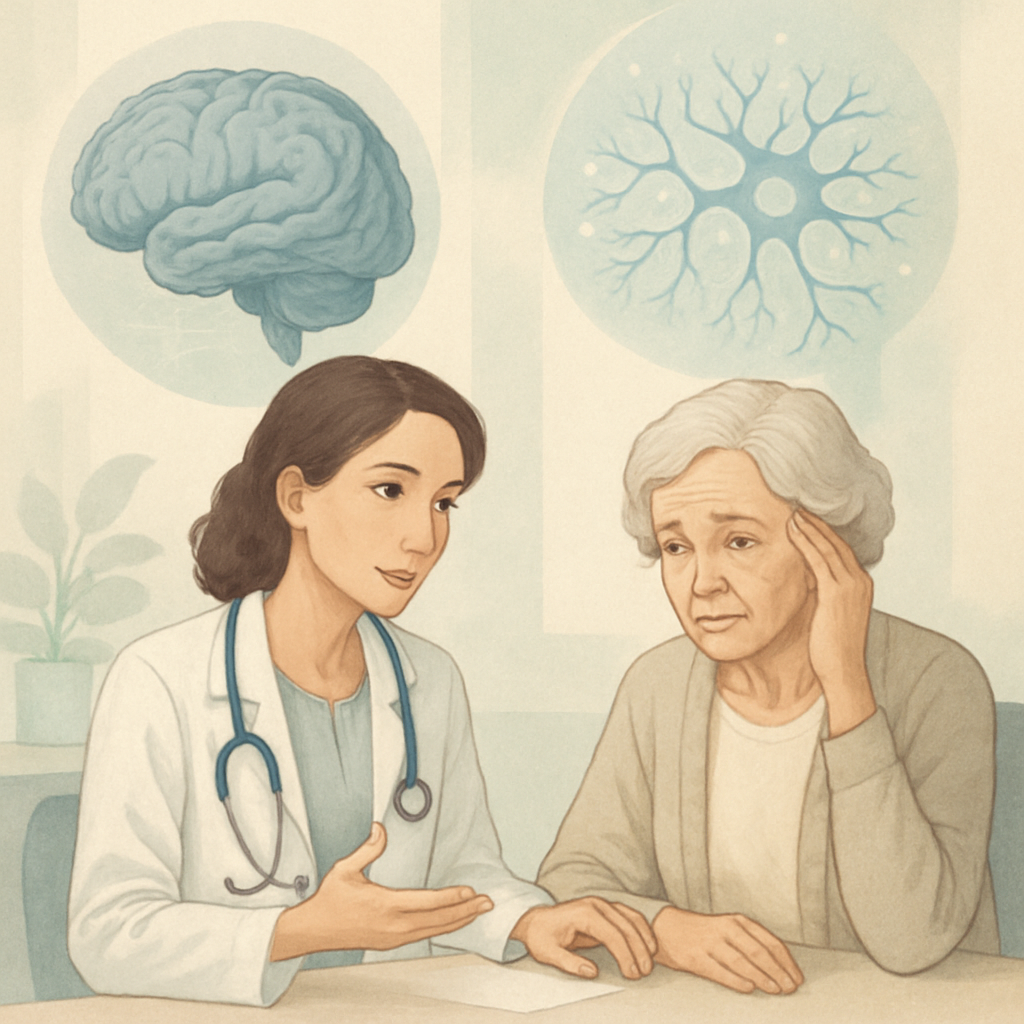
A little over a year ago, a patient of mine requested to see a memory specialist due to concerns about forgetfulness noted by their family members. Frustrated by these changes and given a family history of dementia, the patient wanted to ensure no serious issues were developing.
Although the symptoms were mild, we agreed on the necessity of a referral to a memory disorders specialist. I completed the relevant history and physical examination, performed some routine lab tests, and proceeded with the referral.
However, weeks later, I received a portal message from the patient expressing disappointment: “I have an appointment with a specialist, but not until November… of 2027.” This situation exemplifies the growing problems of access and overwhelmed capacity in healthcare institutions.
La Realidad de la Carga Asistencial
Since the pandemic, many healthcare providers are feeling burnout, leading to a significant exodus from the profession. The overwhelming demands concerning scheduling, overbooking, and endless messages contribute to a situation where professionals are referring out clinical issues that could previously be managed internally. Patients are self-scheduling visits with specialists, filling their schedules with cases that might warrant primary care intervention instead.
For example, some patients consult multiple specialists for stable conditions, which complicates the overall management. Just a few weeks ago, a member of our executive team reached out to me, struggling to secure an urgent appointment with a specialist, only to find out there was no availability for at least 6 months.
Limitaciones en el Sistema de Salud
One must question: Is this any way to operate a healthcare system? The current model leads to subspecialists “firing” patients who no longer need specialized care, returning them to primary care physicians. Yet, primary care doctors themselves are overwhelmed.
If subspecialists could return patients back to primary care for chronic disease management, we would be able to manage them more effectively and possibly cut back on unnecessary specialist visits.
One proposed model involves the subspecialist initially evaluating the patient, laying out a course of action, and then transitioning care to the primary care doctor while remaining available for any questions or further needs.
Mejoras Necesarias
Our goal should be to enhance support for primary care providers, enabling them to manage chronic conditions efficiently. This requires increased resources such as nurses, physician assistants, pharmacists, and care coordinators.
Furthermore, integrating artificial intelligence and algorithm-driven care could significantly enhance patient outcomes, focusing on their preferences and optimizing therapies.
Conclusión
As interns learn to manage cases such as chest pain, it is crucial to empower them to utilize resources effectively without always reverting to referrals. We need subspecialists to be timely when necessary and to ensure their availability for patients who truly require their expertise. By reassessing how we utilize subspecialists, we can enhance patient care and better meet the needs of our communities.
While it may be challenging for patients to shift from seeing a subspecialist, establishing a system whereby these experts remain accessible when needed could ultimately serve their best interests.
Disclaimer: Este contenido es únicamente informativo y no debe considerarse como asesoramiento médico profesional. Siempre consulte a un médico o a otro proveedor de salud calificado para cualquier pregunta sobre una afección médica.
Fuente: https://www.medpagetoday.com/opinion/patientcenteredmedicalhome/122830
Join the doctors who get the most relevant medical news, curated by specialty, every week — no spam, unsubscribe anytime.