Contexto Actual
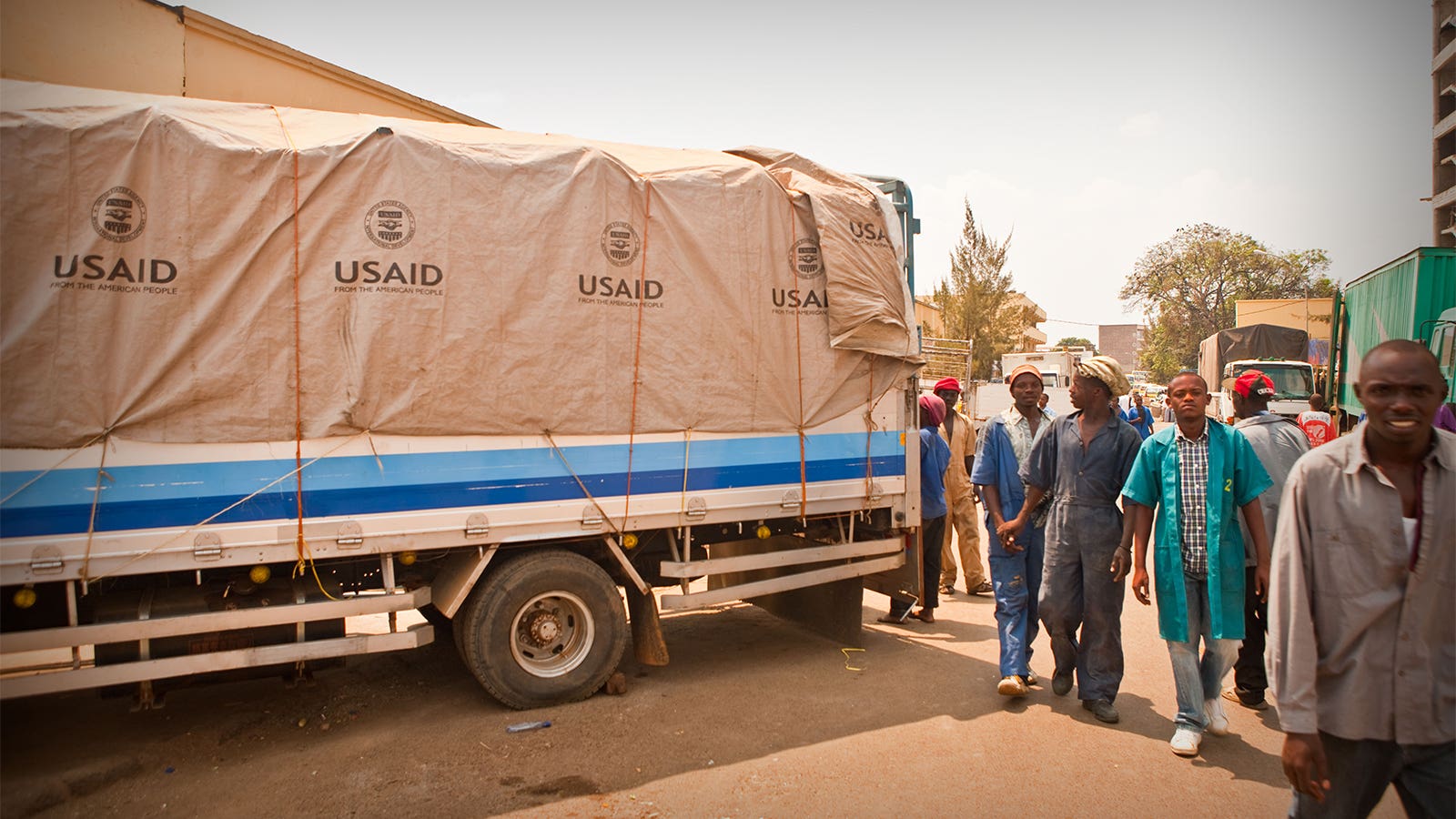
The Trump administration’s halted funding to the President’s Emergency Plan for AIDS Relief (PEPFAR) and dissolution of the U.S. Agency for International Development (USAID) have had devastating effects on HIV prevention, screening, testing, and treatment programs across the globe, experts said.
Some of the hardest-hit regions have been sub-Saharan and South Africa, as shown in recent research presented at the International AIDS Society (IAS) Conference on HIV Science in Kigali, Rwanda.
“The impacts are already clear and devastating: declines in testing, diagnoses, treatment initiation, and viral suppression, especially among vulnerable groups like children and key populations,” Eric Cioè-Peña, MD, MPH, of the Center for Global Health at Northwell Health and Zucker School of Medicine at Hofstra/Northwell in Hempstead, New York, told MedPage Today.
“These aren’t just numbers; they’re people losing access to the most effective public health intervention of our time,” he added. “PEPFAR has saved millions of lives since its creation under President George W. Bush and remains one of the most impactful investments in global health ever made.”
Impact of Funding Cuts
Eric A. Meyerowitz, MD, of Montefiore Health System and Albert Einstein College of Medicine in the Bronx, New York, told MedPage Today that PEPFAR “is probably the most successful global health program and foreign policy success of my lifetime,” having saved an estimated 26 million lives in Africa so far.
In a last-minute move to spare PEPFAR, the Senate removed the program from the list of funding cuts included in the Rescissions bill sent to President Trump’s desk in July. While that decision will not necessarily undo all the damage that has occurred since the funding interruption began in January, it does ensure that funding will resume going forward, for now.
The IAS issued a statement welcoming the “bipartisan move to protect PEPFAR.”
“PEPFAR has been one of the greatest success stories in global health, transforming the HIV response,” IAS President Beatriz Grinsztejn, MD, PhD, said in the statement.
Indeed, it remains unclear whether any of the lost funding from USAID programs will be replaced.
Cioè-Peña acknowledged a need to rethink how U.S. foreign aid is structured, “but reform cannot come at the cost of people’s lives,” he said.
Impact on PrEP in sub-Saharan Africa
The pause to all foreign aid programs began with a directive in January that paused PEPFAR funding for 90 days. Among the programs affected was the provision of pre-exposure prophylaxis (PrEP) in sub-Saharan Africa for all people except those pregnant or breastfeeding.
In a study presented at the IAS meeting, Jack Stone, PhD, of the University of Bristol in England, and colleagues modeled these effects for various subpopulations using data on oral PrEP. They identified a potential increase in new HIV infections due to the halt in funding.
Subsequent secondary transmissions from a 1-year pause were estimated to add even more infections over the years following the funding cut.
“This evidence suggests that there’s a real need to identify alternative sources of funding in the short and long term,” he noted.
Interrupted Services in Mozambique
With the third highest HIV prevalence, Mozambique relies heavily on U.S. funding for its antiretroviral therapy services. A 25% decrease in ART initiation and a marked increase in treatment interruptions were reported in the wake of funding cessation.
“HIV treatment interruptions put people with HIV at risk for opportunistic infections and death,” Meyerowitz said. “Having simultaneous interruptions to HIV treatment will change the net state of immunosuppression of entire communities.”
Though the resumption of PEPFAR funding should alleviate the impacts, researchers warned of significant new infections and deaths if funding doesn’t stabilize.
USAID Termination Hits Johannesburg Programs
In Johannesburg, significant reductions in HIV testing, diagnoses, and ART initiation were reported following the funding halt of critical programs aimed at achieving the UN’s HIV goals.
“Public health is a public good, meaning it is in the interest of all of us on the global scale to have strong public health systems,” Meyerowitz said.
“The world is watching and we have the ability to eliminate HIV over the course of my lifetime, or we could watch the pandemic rebound to the horrific levels we saw in the 1990s and early 2000s.”
Disclaimer: This article is for informational purposes only and should not be considered medical advice. Always consult a qualified healthcare provider for medical issues.
Fuente: https://www.medpagetoday.com/spotlight/hiv/116623
Join the doctors who get the most relevant medical news, curated by specialty, every week — no spam, unsubscribe anytime.