
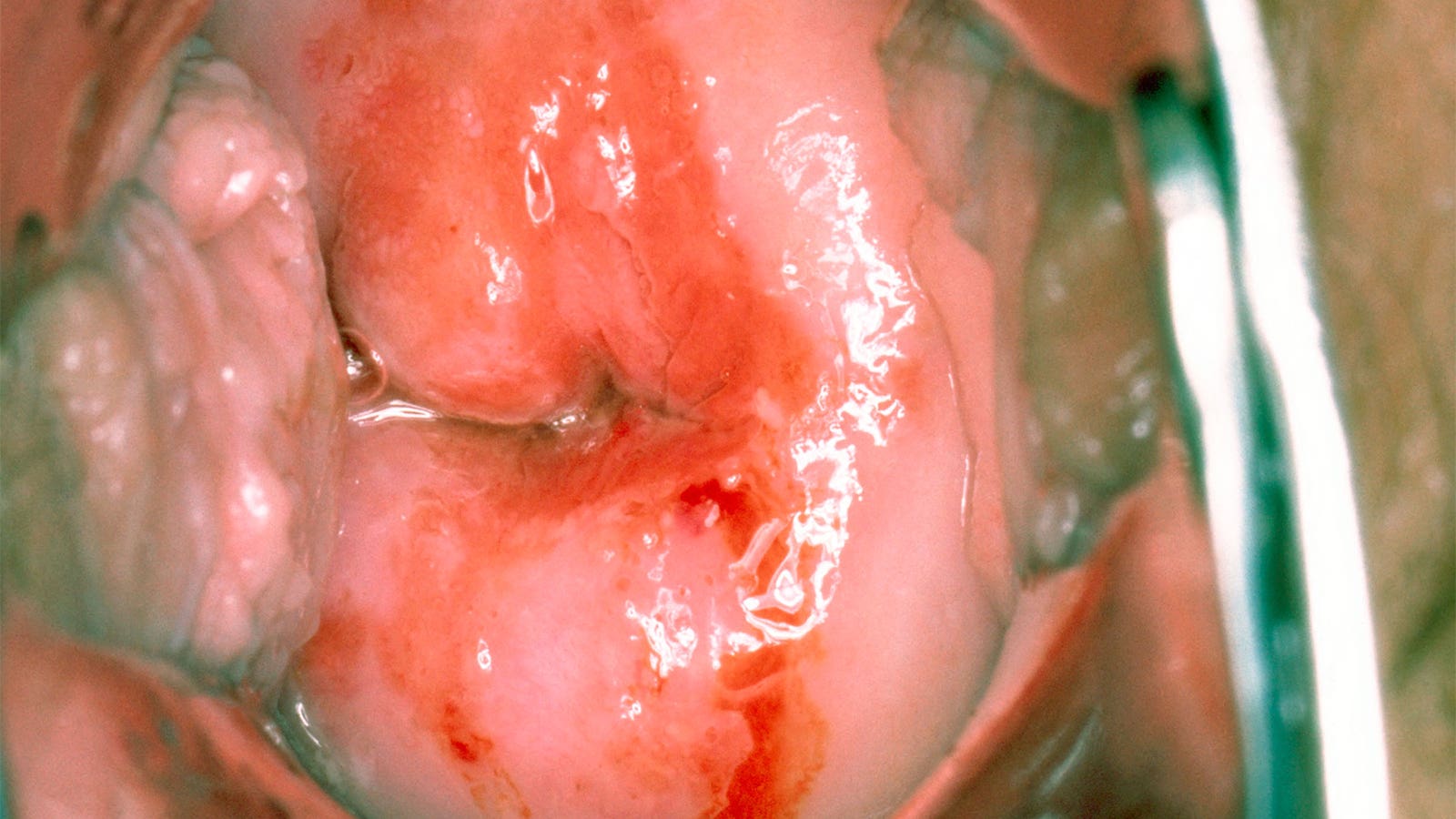
Delaying treatment for cervical intraepithelial neoplasia grade 2 (CIN2) wasn’t linked to increased cancer risk at 3 years and may reduce unnecessary excisions compared with immediate treatment, an observational emulation target trial suggested.
Among more than 12,000 women with CIN2, there were no major differences in 3-year risk for invasive cervical cancer whether the patient was treated immediately — defined as excision within 6 months of CIN2 identification — or if excision was delayed by at least 6 months with continued surveillance (respectively, 0.39% vs 0.43%), reported Li C. Cheung, PhD, of the National Cancer Institute’s Division of Cancer Epidemiology and Genetics in Rockville, Maryland, and co-authors.
Risk for the more severe CIN3+ at 3 years was also similar between groups at 8.85% with immediate treatment and 10.31% with delayed treatment, they wrote in Annals of Internal Medicine.
Immediate treatment was associated with a higher 3-year probability of less than CIN2 upon excision — a signal of a potentially unnecessary procedure — compared with delayed treatment (respectively 36.2% vs 7.8%).
Evidence for Delayed Treatment
This study provides evidence that treatment of CIN2, especially those with lower-risk CIN2, may be safely delayed,
Fuente: https://www.medpagetoday.com/obgyn/cervicalcancer/121876
Join the doctors who get the most relevant medical news, curated by specialty, every week — no spam, unsubscribe anytime.