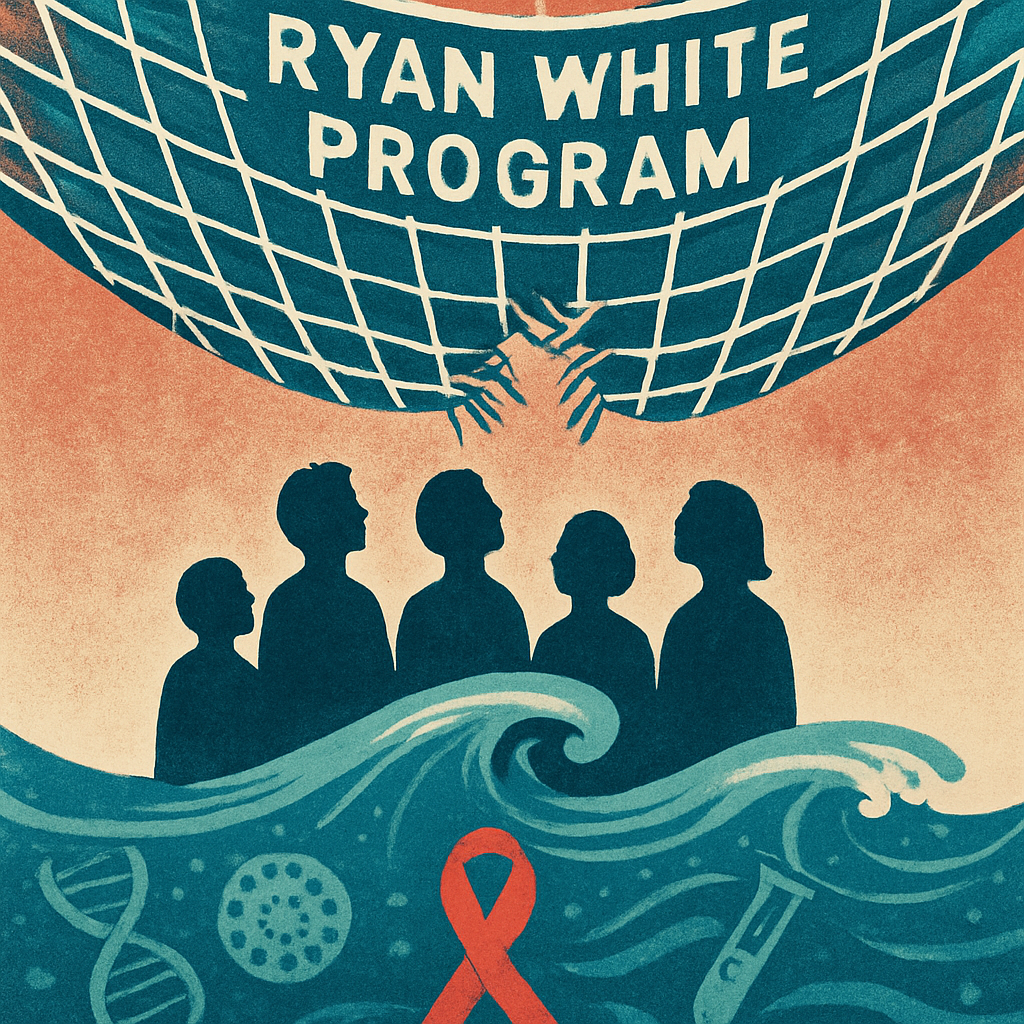
Ending funding for the Ryan White HIV/AIDS Program could lead to a dramatic increase in new HIV infections across the United States, with a projected rise of 73% in 30 states over the next five years, according to a recent simulation study.
Study Findings
Research led by Dr. Melissa Schnure from Johns Hopkins University found that if the program were to end, the total number of new infections could increase by approximately 117,431, and at least 68,264 additional infections may occur with a 2.5-year interruption of services. These findings were presented at the Conference on Retroviruses and Opportunistic Infections.
The Ryan White HIV/AIDS Program was established in 1990 to deliver essential health care, medications, and support services for individuals with HIV, particularly those who are low-income. As of 2023, this program served around 576,000 people, achieving a significant viral suppression rate of 90.6% among the population it serves.
Concerns Over Program Continuation
Concerns have emerged in light of potential funding cuts to HIV-related programs in 2025, prompting fears that the Ryan White program may also be jeopardized. The projected impact of termination could range from an additional 30,863 to 213,440 infections over five years, representing a substantial increase in incidence rates.
States most at risk include Colorado, which could experience a 147% rise in HIV incidence, alongside South Carolina, Missouri, Tennessee, Kentucky, Alabama, Illinois, and Wisconsin. Conversely, Indiana would face the smallest increase at 42%.
Need for Legislative Attention
The variations in projected infection rates across states indicate a pressing need for further research and legislative advocacy. Experts like Dr. Sybil Hosek emphasize the importance of disseminating both overall results and site-specific data to influence future funding decisions effectively.
Dr. Karen Beckerman highlighted the critical role of the program in maintaining low perinatal transmission rates in New York, pointing out the potential loss of progress if services were to cease.
Modeling HIV Incidence Changes
The Johns Hopkins Epidemiologic and Economic Model (JHEEM) was used by researchers to predict how HIV incidence might change with program discontinuation. This dynamic model categorizes populations into HIV-negative individuals, those undiagnosed, and those diagnosed, allowing for accurate local projections based on various demographic factors.
In conclusion, researchers surveyed Ryan White clinic directors to gauge the likelihood of patients losing viral suppression if program services were discontinued. Their findings indicate that a significant proportion of patients would likely struggle to maintain their treatment, therefore contributing to HIV transmission.
This research underscores the vital importance of continued support for the Ryan White program to prevent a resurgence in new HIV infections across the United States.
Disclaimer: The information provided here is for informational purposes only and should not be considered medical advice. Consult with a healthcare professional for personal medical concerns.
Fuente: https://www.medpagetoday.com/meetingcoverage/croi/120084
Join the doctors who get the most relevant medical news, curated by specialty, every week — no spam, unsubscribe anytime.