Patients diagnosed with acute low back pain (LBP) who initially received opioids or gabapentinoids were found to have a significantly higher risk of developing opioid use disorder (OUD) or experiencing an overdose, according to a study utilizing national Medicaid data.
Increased Risks Observed
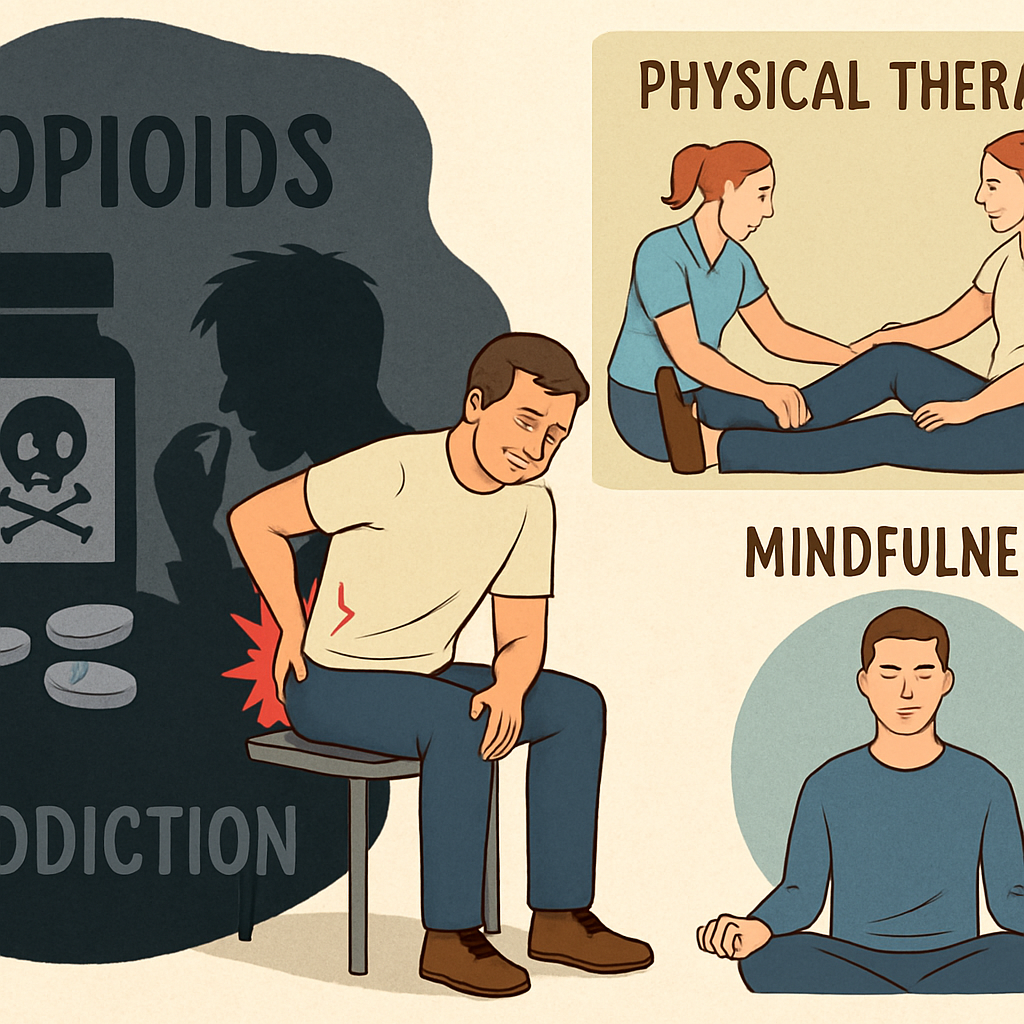
Specifically, those who began treatment with opioids at doses lower than 50 mg in morphine equivalents, for a minimum of 7 days, demonstrated a 105.2% increase in this risk compared to patients who did not start with opioids. Similarly, gabapentin-like medications posed a comparable risk increase of 101.6%. Opioids prescribed at higher doses (over 50 mg) showed even greater risks, with a 146.6% increase in the likelihood of OUD or overdose.
In contrast, Medicaid patients who initiated treatment with manual, non-drug therapies, such as chiropractic care and physical therapy, exhibited lower risks of subsequent OUD or overdose, reduced by 32.8% and 31.1% respectively.
Guidelines and Recommendations
The findings reaffirm longstanding clinical guidelines that advocate against the use of potent prescription pain medications as first-line treatments for acute LBP. The researchers emphasized that pharmacologic therapies should be weighed against potential long-term risks before proceeding. They recommended minimizing the dose and duration when opioids are prescribed.
For over a decade, established protocols have recommended exploring non-pharmacological treatments prior to resorting to medication in cases of acute LBP. This approach emerged in response to the opioid crisis, which highlighted the dangers of overprescription and the need to reconsider pain management strategies.
Study Overview
This particular study analyzed Medicaid data from 25 states that expanded eligibility under the Affordable Care Act. Out of approximately 399,500 Medicaid recipients newly diagnosed with acute LBP, 21% received an opioid prescription within a month of their diagnosis, while 5.8% were prescribed gabapentin or similar agents. Non-pharmacological treatments were administered to about 35% of participants, including various forms of therapy.
The primary outcomes focused on diagnosing OUD or overdose at 7 and 13 months following the initial diagnosis. OUD or overdose was identified in cumulative rates of 1.4% at 7 months and 2.3% at 13 months post-diagnosis.
Conclusion
While muscle relaxants decreased the risk of OUD/overdose compared to not starting therapy, other medications like acetaminophen and benzodiazepines notably increased this risk. This emphasizes the need for careful consideration in pain management approaches for acute LBP, particularly avoiding the early introduction of opioids.
Disclaimer: This information is intended for educational purposes and should not be considered a substitute for professional medical advice, diagnosis, or treatment. Always seek the advice of your physician or other qualified health provider with any questions you may have regarding a medical condition.
Fuente: https://www.medpagetoday.com/rheumatology/backpain/123495
Join the doctors who get the most relevant medical news, curated by specialty, every week — no spam, unsubscribe anytime.