
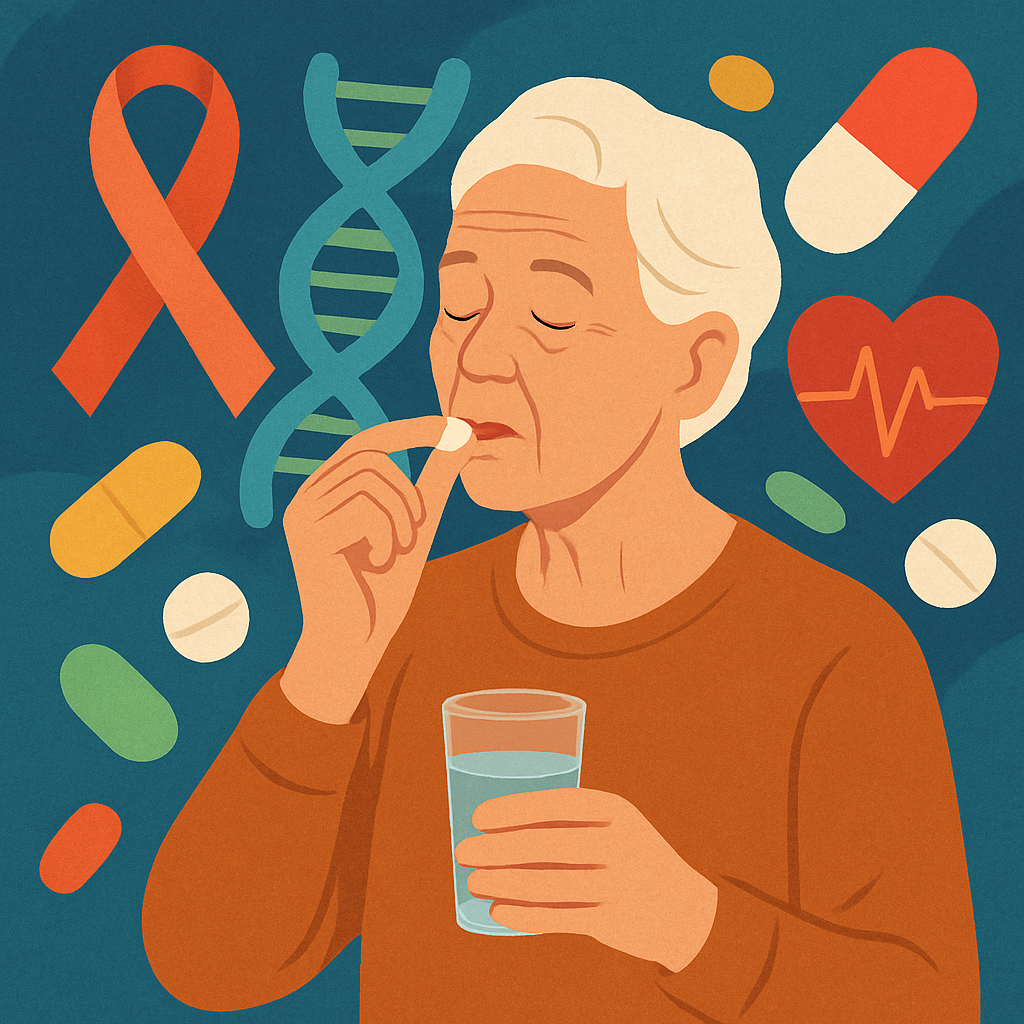
DENVER — A daily, single-tablet combination of bictegravir and lenacapavir was found to be as effective as complex multi-tablet regimens in maintaining virological suppression in older adults with HIV who cannot take currently available single-tablet options, as shown in a phase III trial.
Study Overview
Among 557 individuals with virologically suppressed HIV on complex oral regimens, only 0.8% of those who switched to the single-tablet combination had HIV-1 RNA levels of 50 or greater after 48 weeks of treatment, compared to 1.1% in the complex regimen group. This demonstrates a negligible difference (-0.3%, 95% CI -2.3 to 1.8), indicating the effectiveness of the single-tablet option.
Furthermore, no resistance to the components of the single-tablet combination was detected, and patient satisfaction was significantly higher among those taking the single-tablet combination (P<0.0001), according to findings shared at the Conference on Retroviruses and Opportunistic Infections and published in The Lancet.
Participant Demographics
The study’s participants had a median age of 60 years, with a significant proportion (76.7%) aged 55 or older. Most participants had been on complex regimens for over 28 years, primarily due to previous ART resistance (81%), intolerance to available single-agent options (23%), or contraindications to existing single-tablet therapies (5.9%).
According to Chloe Orkin, MBBCH, of Queen Mary University of London, this trial represents a crucial advancement in treatment options for individuals with long-standing HIV who face challenges remaining on complex regimens.
Key Findings
At 48 weeks, 96% of participants who switched to the single-tablet combination had HIV-1 RNA levels below 50 copies/mL, compared to 93.5% in the complex-regimen group. CD4 cell counts remained stable across both groups, with overall safer metabolic profiles evident—participants on the single-tablet regimen had a median drop of 15 mg/dL in total cholesterol, while those on the complex regimen saw a median increase of 2 mg/dL.
While adverse events were reported in both groups, they were comparable. However, more patients on the single-tablet combination reported drug-related adverse events (14.3% vs 1.6%), with a majority being grade 3 or lower.
Study Limitations
The trial’s open-label design and the exclusion of patients with chronic hepatitis B virus infection limit the generalizability of the results. Nevertheless, the findings provide valuable insight into new oral treatment options for experienced HIV patients.
The researchers plan to present these promising findings to drug regulators based on the results obtained, further hoping to expand treatment options for individuals with complex treatment histories.
Disclaimer: The information provided here is for educational purposes only and should not be considered medical advice. Always consult a healthcare professional for medical advice or treatment.
Fuente: https://www.medpagetoday.com/meetingcoverage/croi/120091
Join the doctors who get the most relevant medical news, curated by specialty, every week — no spam, unsubscribe anytime.