
Current State of HIV
Last week, the United Nations (UN) issued a declaration renewing its call to eliminate HIV/AIDS by 2030, with a focus on increasing spending to eradicate the disease, particularly in lower- and middle-income countries. It is important to note that the U.S. was one of the eight countries that did not endorse this declaration.
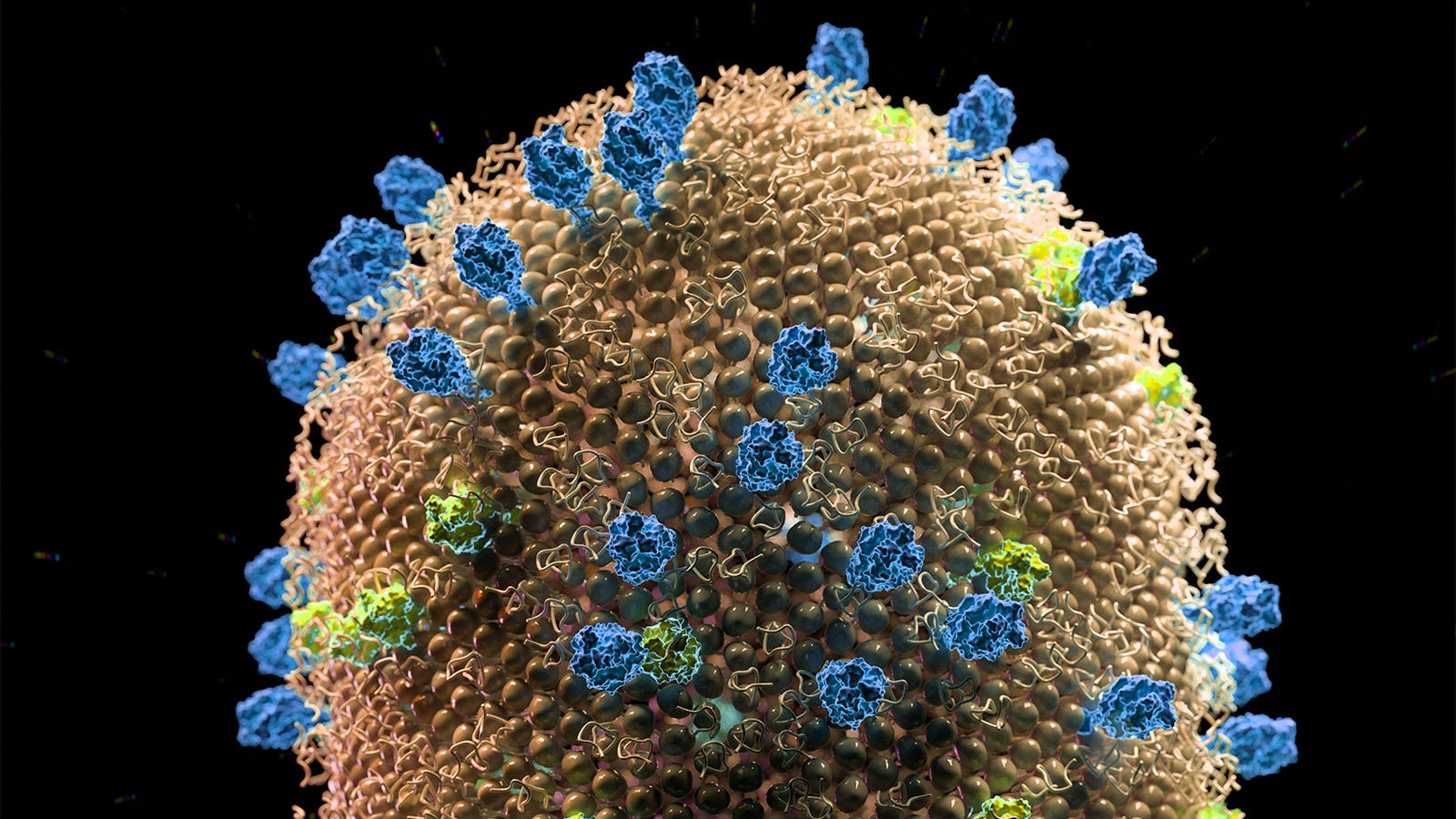
The UN’s actions are part of ongoing efforts to address an epidemic that has persisted since it first emerged in 1981. In a historic speech in 1987, President Ronald Reagan vowed to combat AIDS, promising to secure a cure for the disease. Since then, the development of antiretroviral therapies has transformed HIV from a fatal diagnosis to a manageable chronic condition, complemented by the introduction of pre-exposure prophylaxis (PrEP) that significantly reduces transmission rates. However, despite these advancements, over 32,000 individuals in the U.S. are still diagnosed with HIV each year. So, what are the reasons behind the continued persistence of this epidemic?
Lack of Political Leadership
Carl Schmid, executive director of the HIV+Hepatitis Policy Institute, emphasizes that a key barrier to eradicating HIV is the lack of strong political leadership. National health organizations like the CDC play a crucial role in addressing such public health crises, yet they have been marginalized in recent efforts.
Demetre Daskalakis, MD, MPH, formerly of the CDC, concurs, noting that despite intentions to utilize new technologies for HIV prevention, budget cuts threaten essential programs and research initiatives. This jeopardizes the implementation of effective preventative strategies that are critical for scaling up efforts to combat HIV.
Impact of Budget Cuts
Budget reductions also pose a risk to continuity of care. As noted by Athena Cross, DrPH, from AIDS United, abrupt closures of clinics—like the one in Richmond, Virginia—leave patients without necessary support and medical access. Continuing medication access is vital, as evidence shows that individuals who maintain an undetectable viral load cannot transmit the virus.
Furthermore, the AIDS Drug Assistance Program (ADAP), which supports low-income patients, is feeling the strain of tightened eligibility criteria in various states, causing thousands to lose access to their medications. This scenario underscores the long-term consequences of both federal and state funding cuts in combating the HIV epidemic.
Social Determinants of Health
Daskalakis also highlights other critical barriers to care, including high rates of uninsured patients and prevalent stigma, particularly towards the LGBTQ+ community, which discourages individuals from seeking treatment. Discrimination, whether based on race, gender, or sexual orientation, severely affects access to healthcare services, creating a multifaceted challenge that requires comprehensive strategies to overcome.
Carl Schmid adds that society’s success in prolonging the lives of individuals with HIV has led to a diminished perception of its severity as a public health issue. To effectively address this epidemic, it is crucial to keep HIV awareness at the forefront of public consciousness.
Disclaimer
This article serves informational purposes only and should not be considered medical advice. Always consult a healthcare professional regarding health-related questions and treatment options.
Fuente: https://www.medpagetoday.com/infectiousdisease/hivaids/121934
Join the doctors who get the most relevant medical news, curated by specialty, every week — no spam, unsubscribe anytime.