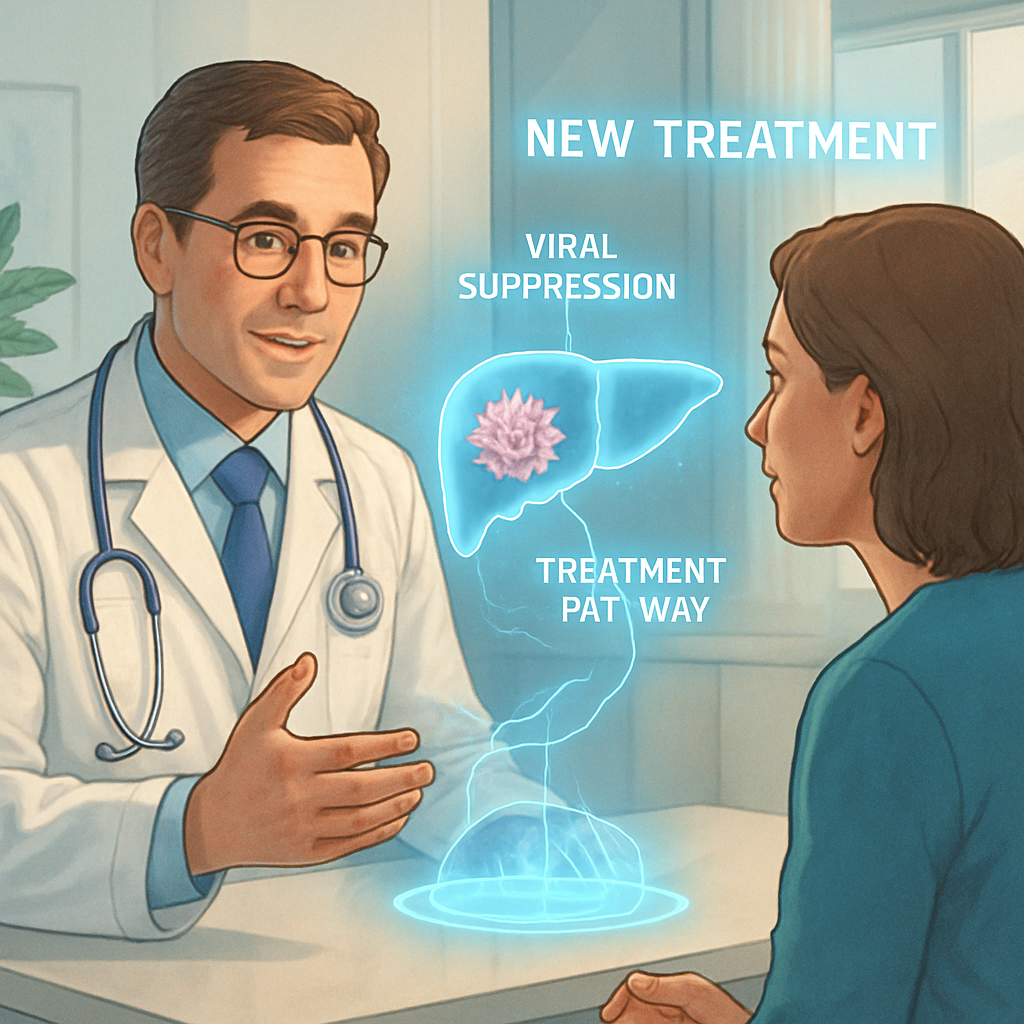
So far, pregnancies among the first women treated with chimeric antigen receptor (CAR) T-cell therapy for autoimmune rheumatologic diseases have proceeded without any concerns, researchers reported.
With 14 pregnancies occurring in 13 patients, all have been “uncomplicated” and the treatment’s effectiveness doesn’t seem to have been compromised, according to Georg Schett, MD, of Friedrich-Alexander-Universität in Erlangen, Germany, and colleagues.
Maternal and Neonatal Outcomes
“The overall maternal and neonatal outcomes appeared to be favorable,” the group wrote in a New England Journal of Medicine correspondence. “Pregnancies resulted in healthy neonates with a B-cell composition and immunoglobulin levels resembling the typical physiological state of a newborn, with no evidence of neonatal infections.”
Schett and his team were the first to try CAR T-cell therapy as an autoimmune disease treatment, starting with systemic lupus erythematosus (SLE) and a few other rheumatologic conditions driven mainly by rogue B cells. Results have been stunning: In most cases, patients who had failed numerous conventional therapies obtained some degree of remission. Some patients have stayed symptom- and drug-free for several years after a single round of CAR T-cell infusions. These results triggered interest from other groups around the world, with some exploring alternative but similar technologies to get the same results at lower cost and/or better safety.
Implications for Pregnant Women
But many of these diseases, especially SLE, are often seen in women of childbearing age, raising the question of whether CAR-T therapy affects pregnancy outcomes. Standard CAR-T therapy involves a harsh lymphodepletion regimen with cyclophosphamide and fludarabine, albeit at doses thought to leave fertility intact. Although CAR-T therapies have been used extensively in oncology for various lymphomas, those diseases largely affect older people, and younger patients have often undergone other cytotoxic treatments that could affect fertility and natal outcomes. Those considerations led Schett and colleagues to take a systematic look at their female patients who have gone on to conceive after CAR-T treatment.
Among the 13 patients whose outcomes they examined, eight had SLE and two had systemic sclerosis, while idiopathic inflammatory myositis, antiphospholipid syndrome, and “overlap syndrome” (in which both systemic sclerosis and rheumatoid arthritis are present) were diagnosed in one apiece.
The 14 pregnancies occurred from 1 to 42 months after completing the CAR-T regimen. Thus far, eight healthy births have resulted while five pregnancies were still ongoing at manuscript submission, the researchers reported. One pregnancy ended with an abortion at gestation week 7 for reasons unrelated to the woman’s medical condition.
Health Monitoring and Follow-Up
None of the live births were premature, and birth weights, infant lengths, and head circumferences were all in the normal range. No developmental abnormalities have been seen with follow-up of up to 18 months. Testing for abnormal immune function in the newborns also showed nothing unusual. None carried CAR T cells and B-cell counts and IgG levels were normal for infants. In general, infants’ immune function was well in line with the general neonatal population.
Maternal outcomes were also unremarkable. None have shown disease flares and most have required no additional autoimmune therapy, the exceptions being four patients given hydroxychloroquine. For the pregnancies still in progress, all have appeared normal as well.
Need for Further Research
Of course, 13 cases are hardly sufficient to judge safety for a treatment that, in theory, could be used in hundreds of thousands of young female patients. Schett and colleagues recommended that registries be established to track outcomes broadly. In addition, the researchers called for “endocrinologic studies … to assess the effect of lymphodepletion and CAR T cells on fertility.”
Fuente: https://www.medpagetoday.com/rheumatology/generalrheumatology/122395
Join the doctors who get the most relevant medical news, curated by specialty, every week — no spam, unsubscribe anytime.