
Reunión del Comité Asesor
The FDA’s vaccine advisors will meet Thursday to vote on whether an XFG monovalent vaccine should be preferred for COVID-19 shots for the 2026-2027 season.
Discusión sobre variantes
The Vaccines and Related Biological Products Advisory Committee (VRBPAC) will also discuss what circumstances would warrant a non-JN.1 lineage variant – such as BA.3.2, also called “Cicada” – for next season’s vaccines.
Datos sobre variantes
In an FDA briefing document, the agency noted that in the U.S., descendants of the JN.1 variant of Omicron remain prominent and have diversified into multiple lineages, including XFG, NB.1.8.1, and LF.7.
Preparación de fabricantes
All major manufacturers (Pfizer, Moderna, Sanofi) have indicated they are “prepared to produce an XFG vaccine” for the 2026-2027 season, according to the agency.
Prevalencia de BA.3.2
While XFG variants remain dominant, the BA.3.2 variant began to pick up steam globally last fall and reached a prevalence of 30% in some European countries, even though it remains a minor variant in the U.S.
Características de BA.3.2
BA.3.2 has more than 70 substitutions and deletions in the spike protein relative to JN.1 descendants, according to FDA staff. Yet available phenotypic data suggest that its “limited expansion is consistent with reduced intrinsic fitness, including weaker ACE2 binding, lower infectivity … and modest replication capacity relative to [JN.1 variants], despite substantial antigenic drift and antibody escape.”
Datos sobre pacientes pediátricos
The FDA document also noted that datasets show a higher proportion of BA.3.2 sequences from pediatric patients.
Recomendaciones de la OMS
Earlier this month, the World Health Organization’s (WHO) advisory group on COVID shot composition recommended monovalent LP.8.1 vaccines. It concluded that while BA.3.2 is increasing, it “appears to have lower fitness than JN.1-descendant variants, which may explain why BA.3.2 has not displaced JN.1-descendant variants in regions where it has been detected.”
Carga de enfermedad
The WHO advisory group also noted that BA.3.2 does not appear to be associated with a substantial increase in disease burden, and it does indeed appear to account for a higher proportion of sequences from young children than adults, “suggesting possible differences in susceptibility to BA.3.2 related to a lack of cross-reactive immunity generated by previous exposure to early SARS-CoV-2 variants.”
Presentaciones del jueves
Presentations on Thursday will include a review of human serology studies to evaluate antibody responses generated by current vaccines against more recently circulating JN.1 lineages, as well as immunogenicity data from new candidate vaccines that have updated spike components against distinct variants.
Vacunas aprobadas actualmente
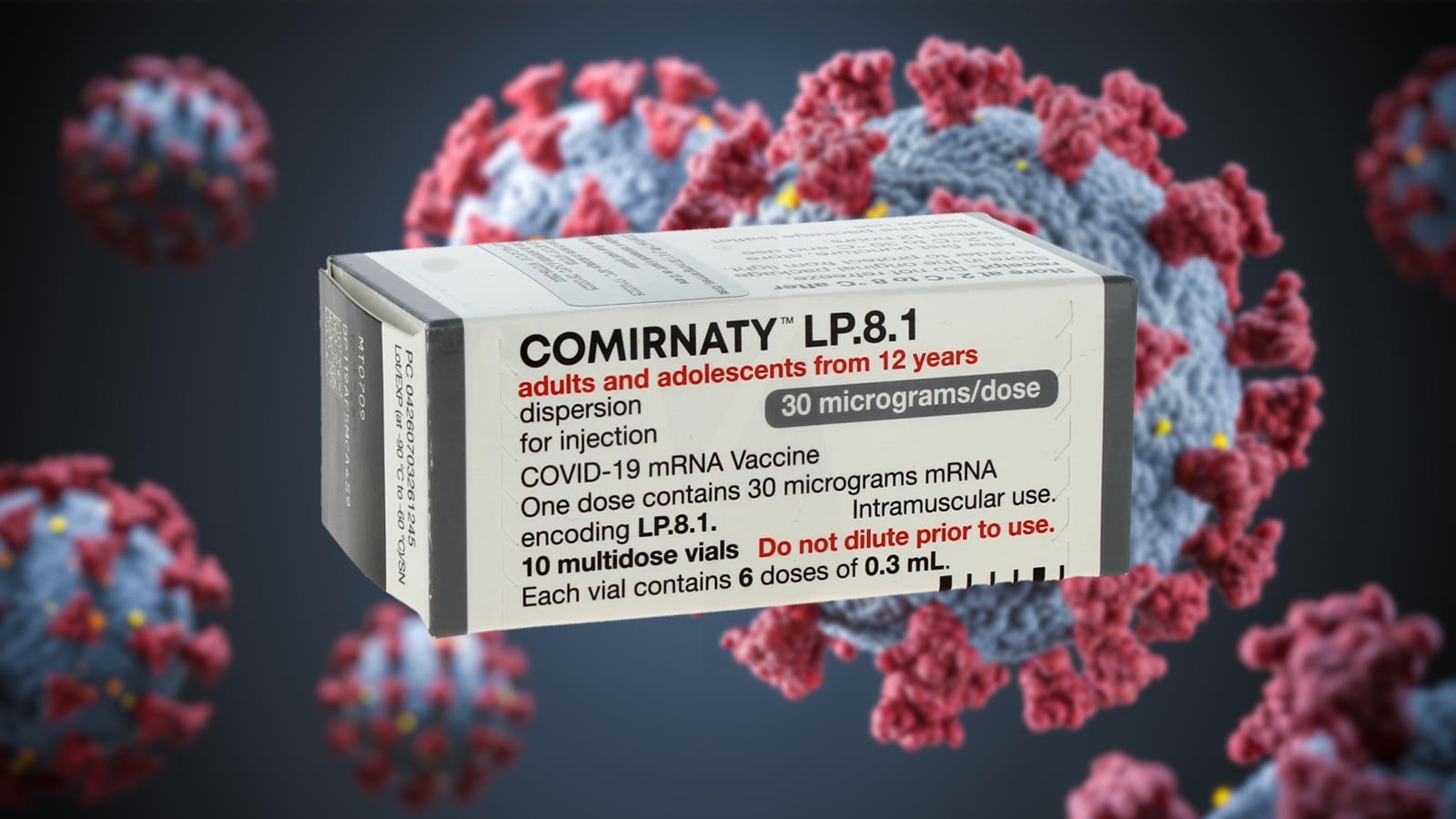
Currently, there are four FDA-approved COVID vaccines, including mRNA shots from Pfizer (Comirnaty) and Moderna (mNexspike, Spikevax) that target LP.8.1, and a protein subunit vaccine from Sanofi (Nuvaxovid, developed by Novavax) that targets JN.1.
Nota de descargo de responsabilidad
La información aquí presentada no debe ser considerada como consejo médico. Siempre consulte a un profesional de la salud para obtener asesoramiento personalizado y tratamientos adecuados.
Fuente: https://www.medpagetoday.com/infectiousdisease/covid19vaccine/121441
Join the doctors who get the most relevant medical news, curated by specialty, every week — no spam, unsubscribe anytime.